ISO 18562 Biocompatibility
250 KB
UL Solutions provides testing and toxicology risk assessment for respiratory medical devices based on EU MDR and U.S. FDA requirements.
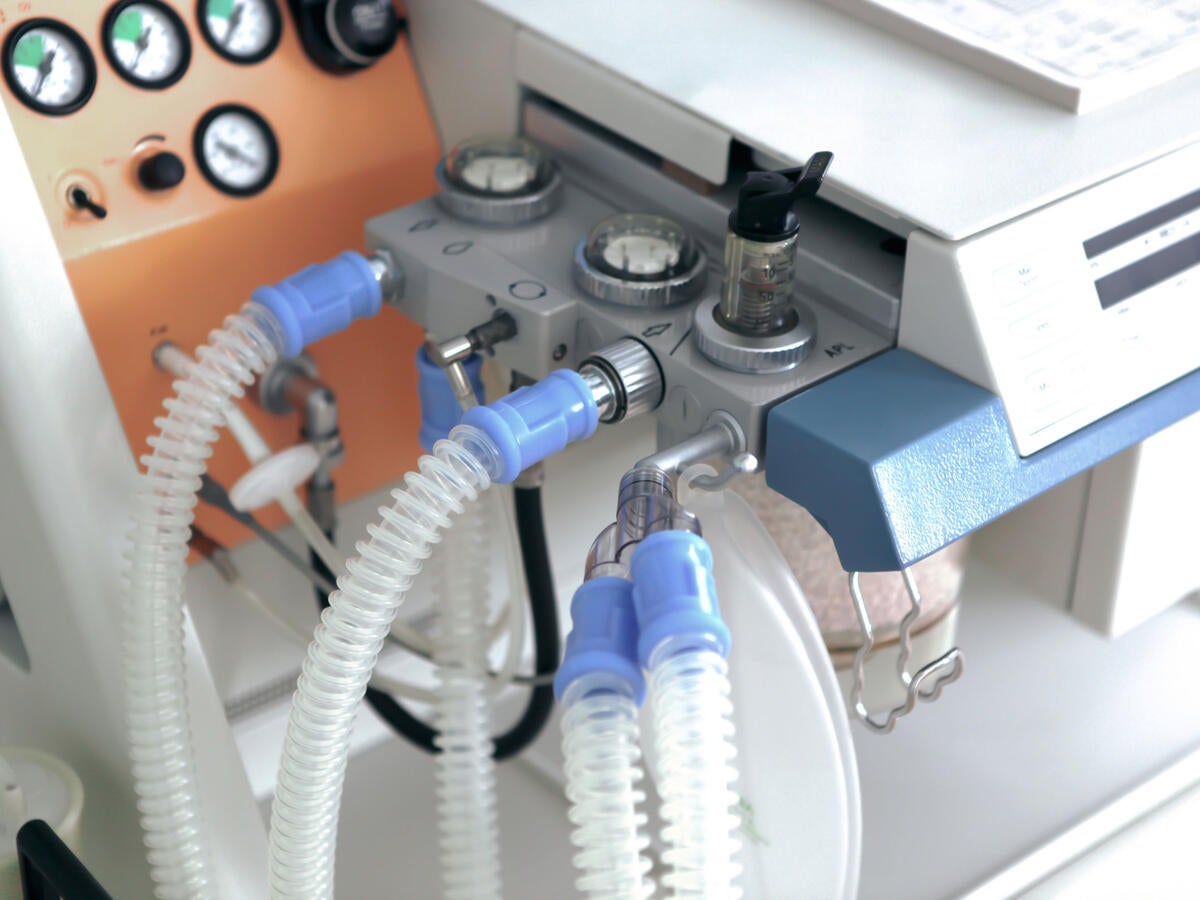
Regulatory approval processes for medical devices are highly complex, often lacking clear definition. This complexity stems from the stringent safety and health regulations that vary significantly across countries, making it challenging for manufacturers to stay compliant globally.
The European Union’s Medical Devices Regulation 2017/745 (MDR) calls for rigorous safety and biocompatibility testing and reporting for medical devices. The U.S. Food and Drug Administration (FDA) requires that Class II medical devices submit a 510(k) for clearance prior to sale in the U.S.
Both U.S. and EU regulators require that devices making contact with patients’ respiratory systems undergo testing to the ISO 18562 series of standards for assessing the biocompatibility of patient breathing gas pathways. Biocompatibility evaluation of devices with breathing gas pathways requires measurement of particulates and volatile organic substances, including VOCs, SVOCs, VVOCs and aldehydes that could pose risks to patients. Manufacturers must conduct tests within a structured risk assessment framework to help confirm their respiratory care devices are suitable for their intended use.
The ISO 18562 series of standards outlines general principles for the evaluation of medical device breathing gas used in respiratory care or to supply anesthesia or other substances through the respiratory tract. Testing and evaluation according to the ISO 18562 series of standards is conducted for new device introductions and may include testing devices at various stages of their service life to evaluate material changes. Testing of devices that are already released in the market may be required to evaluate changes to materials suppliers or manufacturing processes that may affect emissions into the breathing gas pathway.
The ISO 18562 series of standards includes the following four parts:
The test methods and risk assessment requirements in these standards apply to all medical devices, parts and accessories that may contact the breathing gas pathway. The scope of products affected by these standards includes:
The enclosed chamber of an incubator, including the mattress and the inner surface of an oxygen hood, is considered a gas pathway and is also addressed.
With fully equipped, chamber testing laboratories accredited to ISO/IEC 17025 – General requirements for the competence of testing and calibration laboratories in the U.S., Italy and China, UL Solutions combines state-of-the-art testing facilities with regulatory expertise in the EU MDR, U.S. FDA medical device regulatory compliance and other medical device regulatory systems.
UL Solutions operates specialized cleanroom laboratories specifically designed to measure air quality in accordance with the ISO 18562 series of standards. Our advanced test chambers eliminate background levels of chemicals and particulates, allowing us to isolate emissions from the device components and materials within the breathing gas pathway. Our chemistry protocols are optimized to measure the types and concentrations of chemicals that are typically emitted from these devices. With more than 30 years of air quality expertise, we can help manufacturers better understand the chemical and particle emissions measured in the breathing gas pathways of their devices.
Our global teams of air quality specialists work closely with manufacturers to identify regulated testing and compliance needs early in the process. As part of our comprehensive evaluation, UL Solutions also conducts toxicological risk assessments based on ISO 18562 test data to determine potential exposure risks during typical device use. Our toxicologists bring specialized expertise in assessing inhalation exposure risks, particularly those unique to respiratory devices.
Taking a proactive approach can enable more streamlined MDR compliance and CE Mark certification efforts in Europe as well as FDA 510(k) premarket notification submissions in the U.S., accelerating time to market and helping reduce the risks of costly delays and product recallls.
ISO 18562 Biocompatibility
Thanks for your interest in our products and services. Let's collect some information so we can connect you with the right person.