

Data is the fuel for digital, service-oriented business models. It is the linchpin in the transformation of traditional products into intelligent solutions such as software-defined vehicles or the reduction of fuel consumption in aircraft engines through sensor-based control.
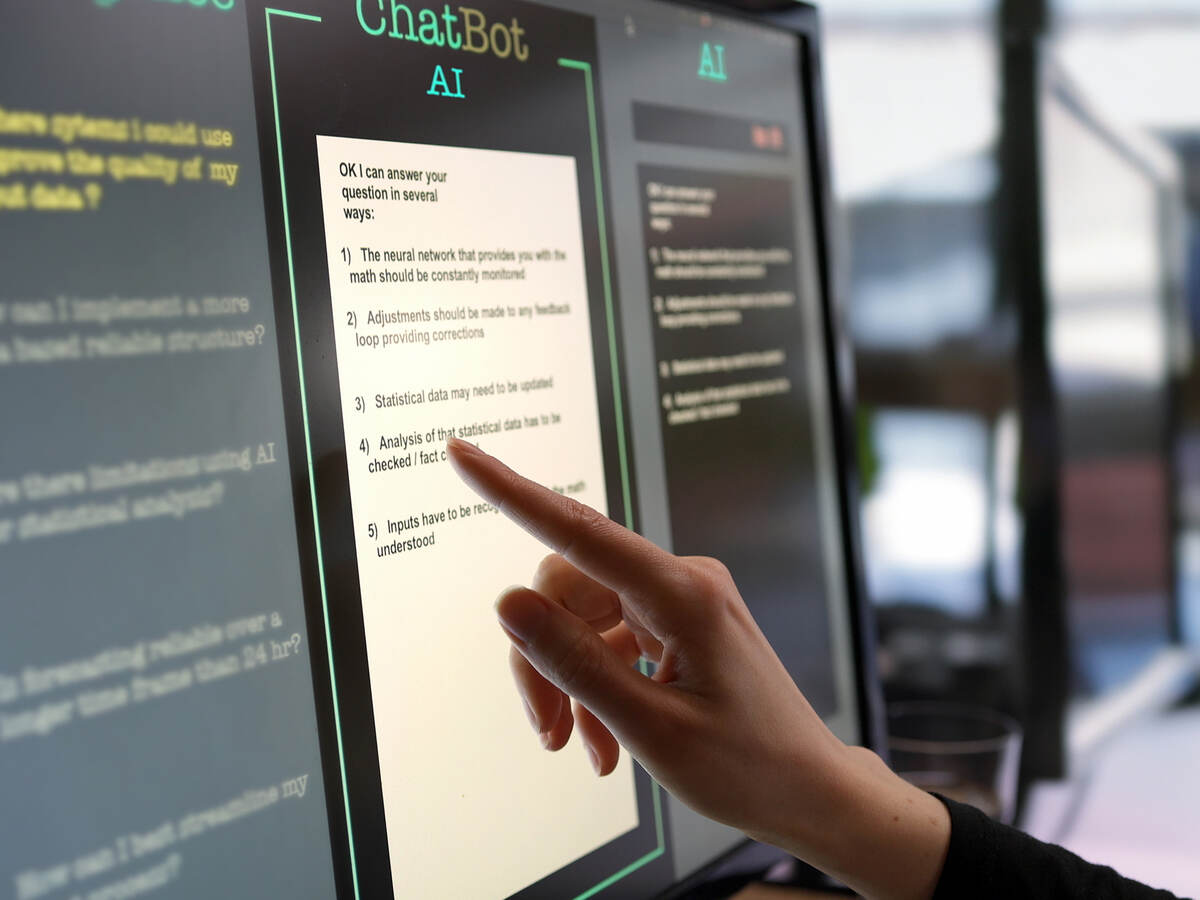
The continuous and reliable provision of the required data is a prerequisite for added value through digital business models just in time.
We provide certification courses for
Artificial Intelligence and Machine Learning training courses
Our course portfolio introduces the skills you need to cope with the integration of artificial intelligence in technologies and applications. We also provide courses for the application in regulated software intensive systems such as autonomy safety or the integration of machine learning in automotive systems.

Become an ISTQB® certified AI tester
As an ISTQB® certified AI Tester, you can enhance your skills in both testing AI-based systems and utilizing AI for testing purposes. To support the transfer of your knowledge into practice, you will apply learned concepts directly in exercises.
ISO/PAS 8800:2024 — Safety and AI (UL certified)
Two-day course on the use of artificial intelligence in safety-regulated industries
Automotive SPICE® for Machine Learning (intacs® certified)
Two-day course on the Automotive SPICE® process model on Machine Learning Engineering
IT Service and Data Maturity Management training courses
With IT Service Management (ITSM) and Data Maturity Management (DMM), we offer training courses for SPICE assessors who want to expand their expertise on these evolving topics.
Data Management SPICE (intacs® certified)
Three-day course on the SPICE process model regarding projects, products, services and organizations dealing with data
SPICE for IT Services Expert/Provisional Assessor (intacs® certified)
Five-day course on the SPICE process model to become a IT Service Management Provisional Assessor
In our training courses, you can learn how to safeguard the availability of critical data and services for your software intensive systems and how to implement software artifacts that are generated by the use of artificial intelligence or machine learning in your systems with confidence.
Frequently asked questions
- What training courses do you offer for Digital Services in Software Intensive Systems?
We offer advanced training covering Data Maturity Management and IT Service Management (ITSM), including certifications like SPICE for IT Services and Data Management SPICE.
- What training courses do you offer for Digital Services in Software Intensive Systems?
We offer advanced training courses designed to help engineers confidently develop and integrate AI and machine learning solutions, including certifications in Automotive SPICE® for Machine Learning, Autonomy Safety, and ISO/PAS 8800:2024 Safety and AI.
- Who should enroll in these courses?
Our courses are tailored for professional engineers, SPICE assessors and technical specialists who want to:
- Expand their expertise in digital transformation, data management and IT service processes
- Gain practical skills in integrating AI and machine learning into regulated, software-intensive systems such as automotive, aerospace and other safety-critical industries
- What prerequisites are needed for the AI and Machine Learning courses?
A solid foundation in engineering principles is recommended. For advanced AI and machine learning courses, familiarity with programming (especially Python) and basic statistics is beneficial because these skills are commonly required for hands-on exercises and project work.
- Do the courses include hands-on or practical components?
Yes, our training blends theoretical knowledge with performance-based, hands-on exercises. This approach ensures you can apply what you learn to real-world challenges, such as designing data pipelines, deploying AI models and implementing IT service processes.
- Are certifications provided upon course completion?
Upon successful completion of each course, you will receive a letter of qualification. Additionally, some courses prepare you for certification. At the end of the course, you can take an exam. Successfully passing the exam will validate your new skills and knowledge (additional requirements will be applied). The certificates issued by recognized certification bodies can support your continuing professional competency requirements.
- How do these courses help with digital transformation in engineering?
Our courses equip you to:
- Safeguard the availability and quality of critical data for software-intensive systems
- Confidently implement and assess digital services, data management and IT service processes end-to-end
- Integrate AI and machine learning into your product development lifecycle, ensuring compliance with industry standards and safety frameworks
- Can I take the courses online?
Most of the courses are available online, allowing flexibility for working professionals. Some may also offer live or instructor-led options for interactive learning.
- How do I know which course is right for me?
If you are focused on digital services, consider courses in Data Maturity Management or IT Service Management. If your goal is to integrate or develop AI/ML solutions, choose from our AI and machine learning course portfolio, based on your current skill level and industry application.
If you have more specific questions, please contact the help desk at our training center or refer to each course’s detailed description for prerequisites and learning outcomes.
X
Get connected with our sales team
Thanks for your interest in our products and services. Let's collect some information so we can connect you with the right person.
Please wait…
Characters remaining