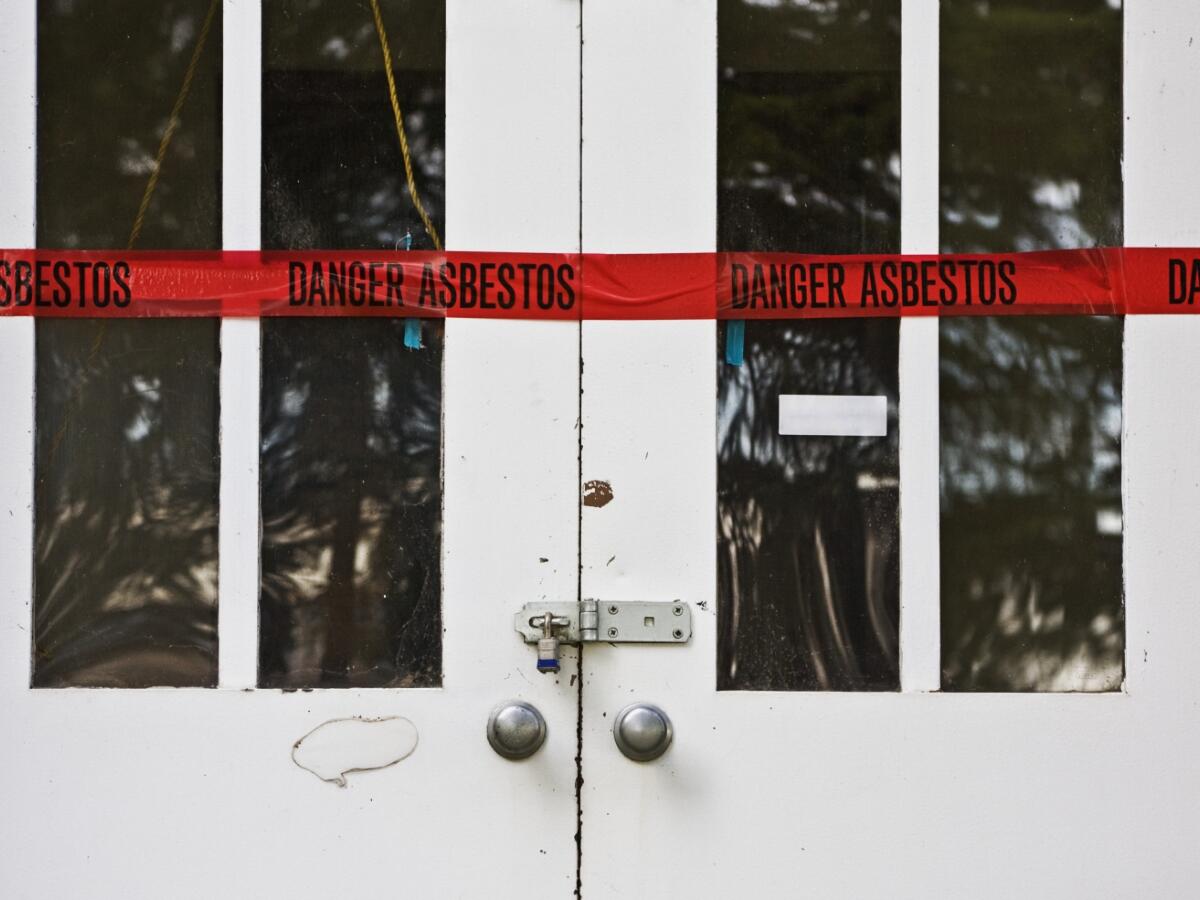

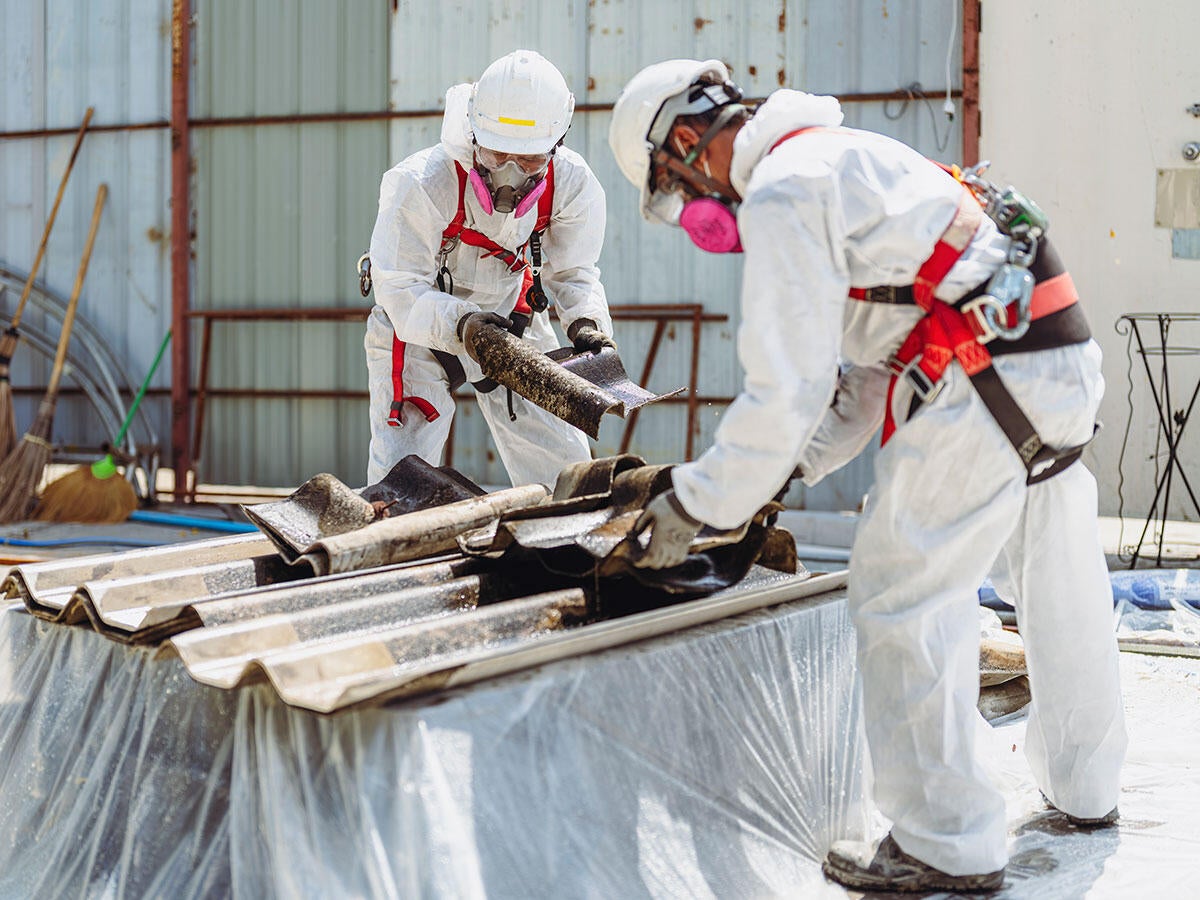
Why asbestos management matters
Asbestos-containing materials were widely used for decades in construction and industrial applications because of their fire resistance, durability and insulating properties. Although regulations began restricting asbestos use in the late 1970s and 1980s, many existing materials were left in place because they were considered low risk as long as they remained intact and undisturbed.
As a result, asbestos may still be present in many commercial, industrial and public buildings. It can appear in older building materials, structures built or renovated before modern regulations took effect, areas never assessed or remediated, and sites where earlier management or renovation practices did not require removal. Because these materials can deteriorate over time or be disturbed during maintenance, repairs or renovations, organizations must proactively manage them to protect occupant health and maintain regulatory compliance.
Risks of asbestos exposure
Inhalation of asbestos fibers has been associated with serious long-term health conditions such as asbestosis, lung cancer and mesothelioma. Exposure risks may arise when asbestos-containing materials are damaged, deteriorated or disturbed during routine operations or construction-related activities.
Comprehensive asbestos management services
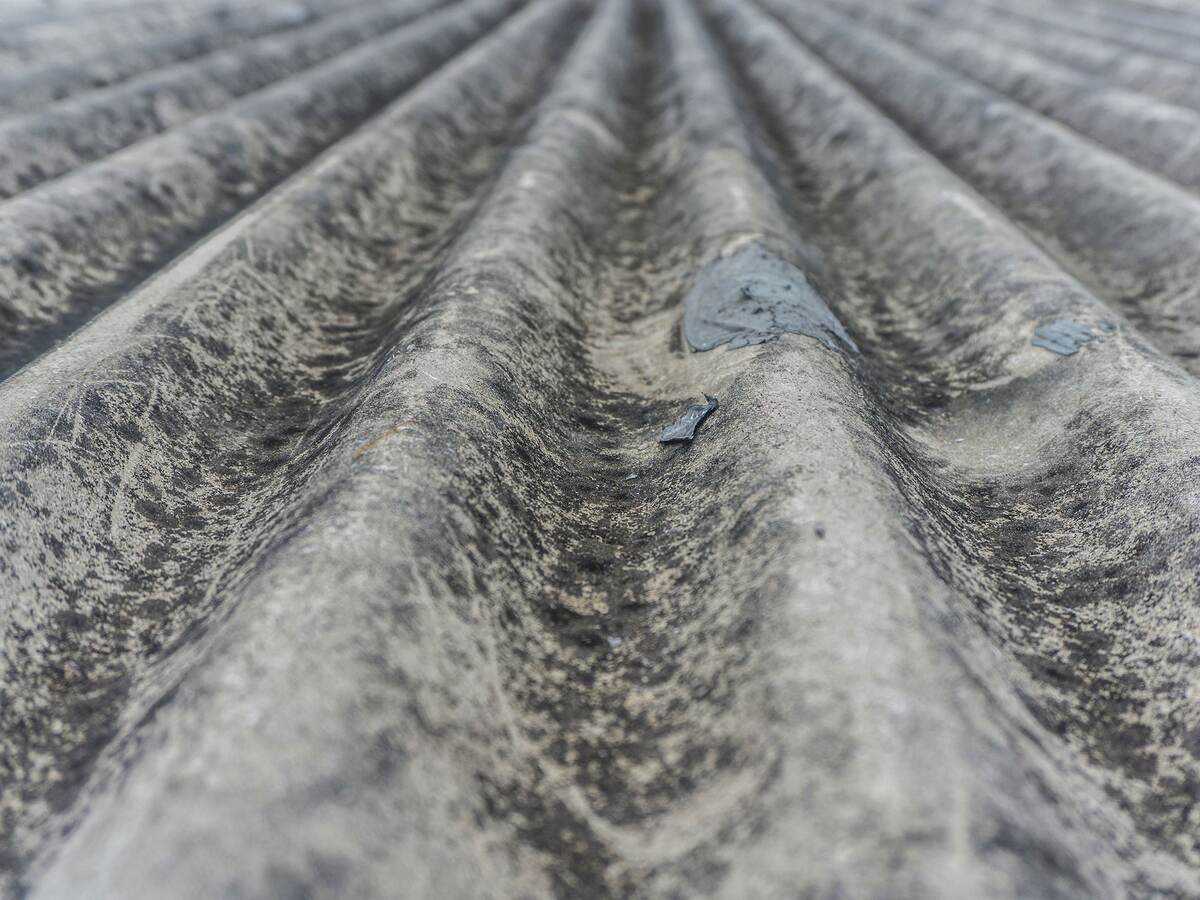
Effective asbestos management supports the protection of occupants, workers and contractors while helping organizations meet applicable regulatory and safety requirements. A structured management approach can also help reduce operational disruption during refurbishment, maintenance or demolition projects.
Our expertise in asbestos control
UL Solutions offers asbestos management services to help organizations identify potential asbestos risks, understand regulatory obligations and make informed decisions related to building use, renovation and maintenance.
UL Solutions combines technical expertise, regulatory awareness and practical field experience to support asbestos risk identification, evaluation and management planning across a range of building types and operating environments.
Asbestos inspection and assessment
What is an asbestos inspection?
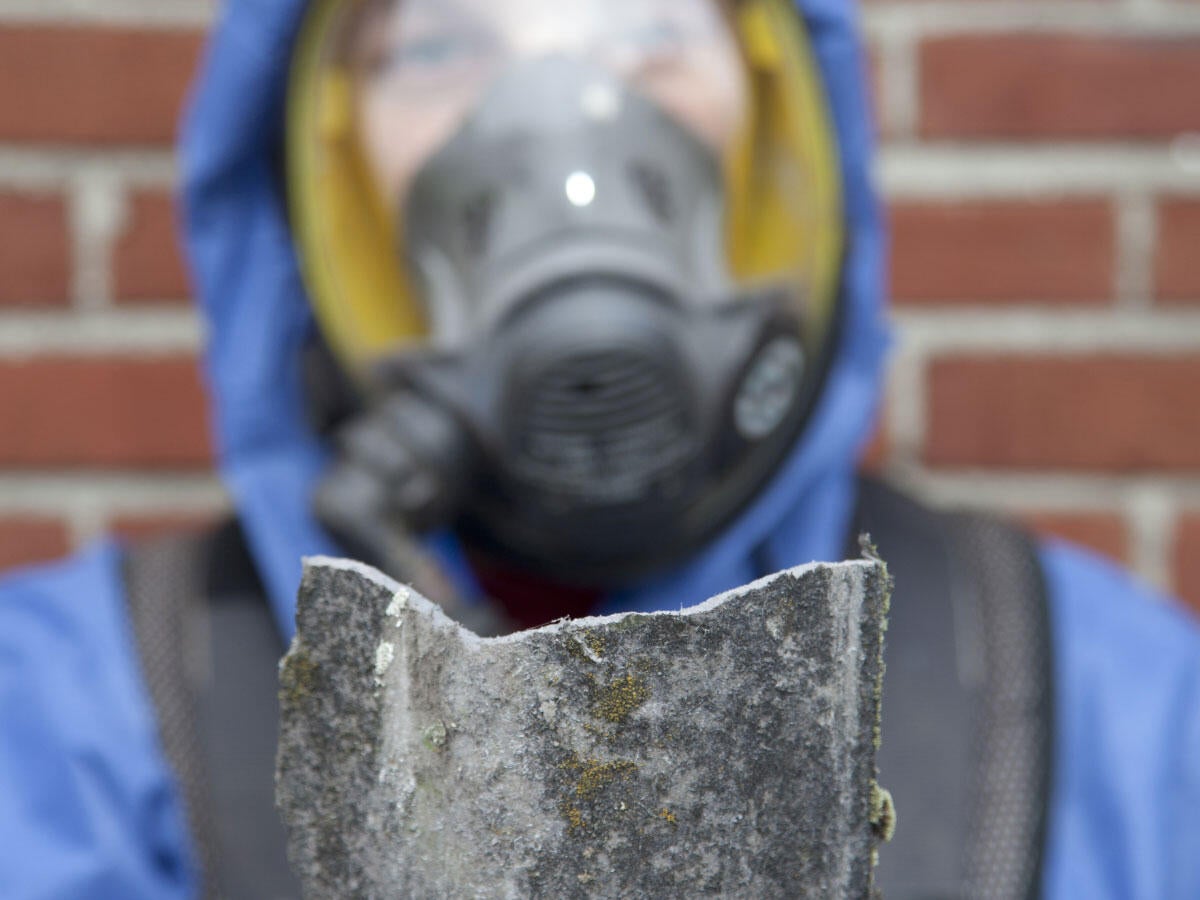
An asbestos inspection involves identifying materials that may contain asbestos within a building and evaluating their location, condition and potential for disturbance. Visual surveys may be supported by sampling and laboratory analysis where necessary.
Asbestos assessment for compliance
Asbestos assessments put inspection findings in the context of applicable regulations and building use. These assessments help inform risk prioritization, control strategies and documentation requirements when asbestos-containing materials are present.
Asbestos testing and removal
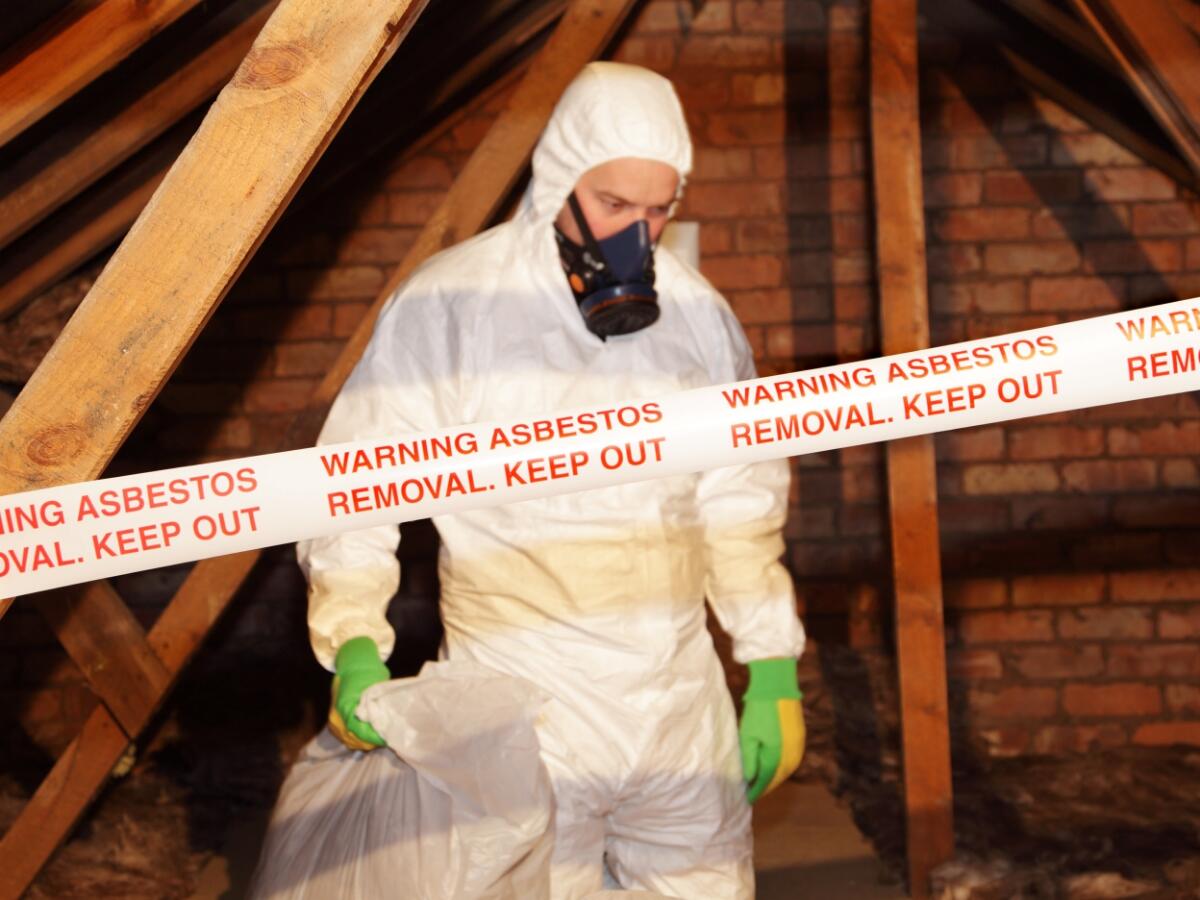
Professional asbestos testing services
Asbestos testing involves collecting samples of suspected materials and analyzing them in a laboratory to determine the presence and type of asbestos fibers. Testing supports informed decision-making related to management, remediation or removal planning.
Asbestos removal safety and compliance
When asbestos removal is required, work is typically carried out by licensed contractors in accordance with relevant regulatory requirements. UL Solutions supports organizations through advisory oversight, documentation support and coordination with qualified service providers, as appropriate.
Integrated testing and removal
Coordinating asbestos testing results with remediation planning can help organizations manage risk efficiently while supporting compliance and project timelines.

Developing an asbestos management plan
Key components of an effective plan
An asbestos management plan commonly documents the location and condition of asbestos-containing materials, assesses associated risks, outlines control measures, and defines roles and responsibilities for ongoing management.
Meeting regulatory requirements
Regulatory expectations for asbestos management vary by jurisdiction. A documented management plan can help demonstrate due diligence and support compliance with applicable laws, guidance, and industry standards.
Ongoing monitoring and updates
Asbestos management plans are typically reviewed and updated periodically to account for changes in building condition, occupancy, regulations, or planned works that could affect asbestos risk.

U.S. asbestos regulations
Federal and state compliance requirements
In the U.S., asbestos management is governed by a combination of federal, state and local regulations addressing exposure control, building materials and worker protection.
OSHA and EPA guidelines
The U.S Occupational Safety and Health Administration (OSHA) focuses primarily on occupational exposure limits, worker training, and safe work practices, while the U.S. Environmental Protection Agency (EPA) addresses asbestos in building materials, renovations, demolitions, and environmental protection contexts.
Employer responsibilities for worker safety
Employers may be responsible for identifying asbestos hazards, assessing exposure risks, implementing controls, providing training, and ensuring appropriate protective equipment is used.

Asbestos regulations in the U.K. and EU
Control of Asbestos Regulations 2012 (CAR 2012)
The Control of Asbestos Regulations 2012 establish legal requirements in the U.K. for identifying, managing and controlling asbestos in non-domestic premises and certain residential settings.
Health and Safety at Work Act and COSHH
Asbestos management obligations are also supported by the Health and Safety at Work etc. Act 1974 and regulations under Control of Substances Hazardous to Health Regulations 2022 (COSHH), which address hazardous substances in the workplace.
HSG264 – Asbestos: The Survey Guide
HSG264 provides practical guidance on asbestos surveys, including management surveys as well as refurbishment and demolition surveys, to support accurate identification and compliance.
EU directives and 2023 amendments
Changes to EU asbestos legislation adopted in 2023 have introduced enhanced protections for workers exposed to asbestos:
Occupational exposure limits
Updated exposure limit values aim to further reduce allowable occupational exposure to asbestos fibers.

Mandatory electron microscopy
Certain frameworks reference enhanced laboratory analysis methods to improve detection sensitivity.

Enhanced worker training requirements
Updated requirements emphasize advanced training for workers involved in asbestos-related activities.

Employer obligations under the updated EU asbestos regulations:
Pre-work identification – Identifying asbestos prior to construction, maintenance or refurbishment work is a foundational requirement.
Risk assessments – Risk assessments support appropriate control measures and help inform safer work practices.
Emergency procedures and personal protective equipment (PPE) – Clear emergency procedures and the use of appropriate PPE help manage unexpected exposure scenarios.
Accredited asbestos surveys
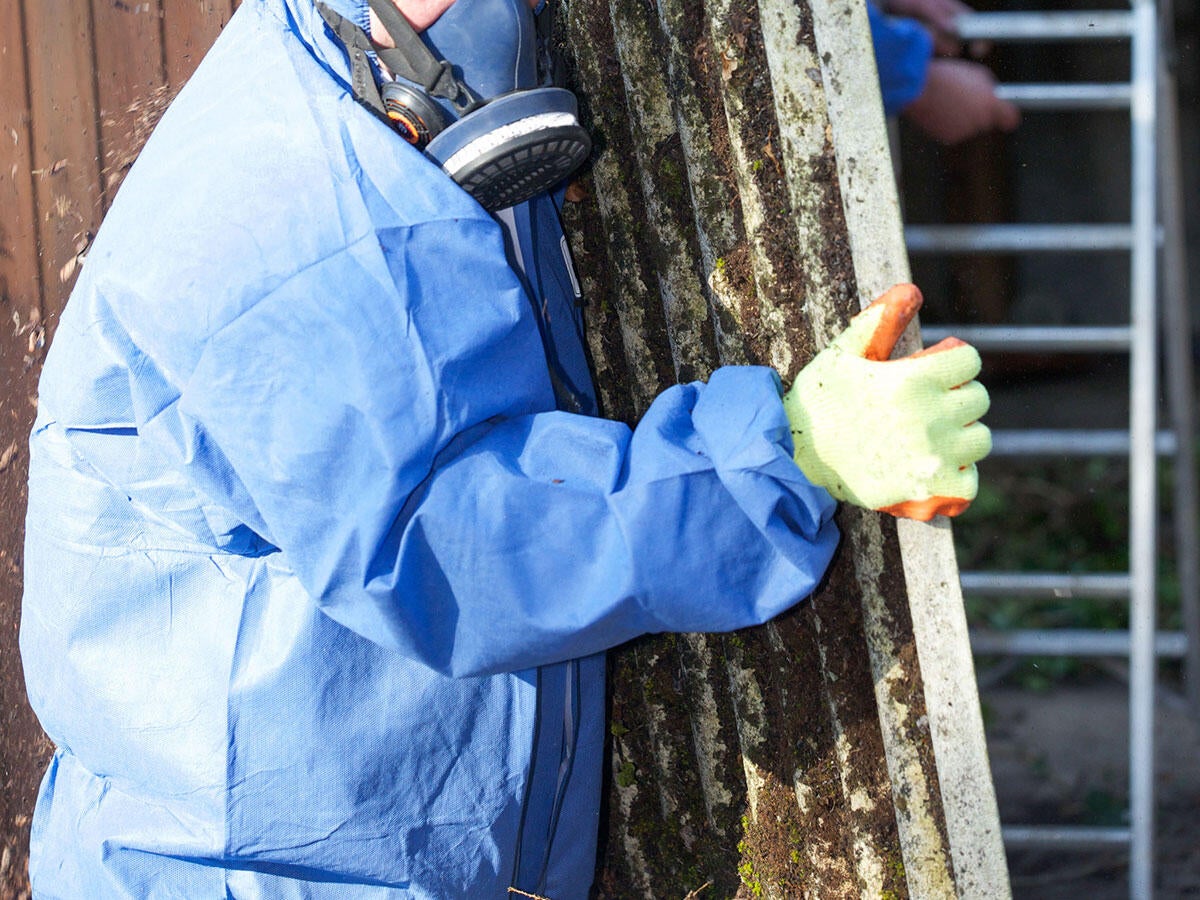
Why United Kingdom Accreditation Service (UKAS) accreditation matters
UKAS-accredited asbestos surveys build confidence in survey quality, consistency and alignment with recognized standards.
Supporting accuracy and compliance
Accreditation promotes reliable identification of asbestos-containing materials and consistent reporting practices.
Choosing the right survey for your property
The appropriate survey type depends on the building’s condition, intended use and planned activities.

Work with UL Solutions for asbestos risk management
Global expertise, local compliance
UL Solutions supports organizations operating across regions by aligning technical services with local regulatory requirements.
Customized services
Services are tailored to customer needs, building portfolios and applicable asbestos regulations.
Identifying high-risk materials in buildings
Our advisory services can help organizations identify and prioritize materials that may present elevated asbestos risk.
Frequently asked questions about asbestos management
- How do I know if my building contains asbestos?
Asbestos-containing materials may be present in buildings constructed or renovated before asbestos bans or restrictions were introduced. Because the presence of asbestos cannot be confirmed by visual inspection alone, an asbestos inspection and, where needed, laboratory testing are typically required.
- What is the difference between asbestos inspections and asbestos assessments?
An asbestos inspection identifies materials that may contain asbestos and documents their location and condition. An asbestos assessment evaluates inspection findings in the context of regulatory requirements, building use and potential exposure risks.
- How often should an asbestos management plan be reviewed?
Review frequency may depend on regulations, building use and changes in conditions. In many cases, plans are reviewed annually or when changes occur that may influence asbestos risk.
- Can asbestos be safely removed from occupied buildings?
In certain cases, asbestos removal can occur in occupied buildings when licensed contractors use appropriate containment and control measures. Suitability depends on project scope, regulatory requirements and building characteristics.
- Do OSHA and EPA have different requirements for asbestos management?
Yes. OSHA requirements focus on worker exposure and workplace safety, while EPA requirements address asbestos within building materials, renovation and demolition activities, and environmental protection.
- What steps can employers take to help protect workers from asbestos exposure?
Employers may be responsible for identifying asbestos hazards, assessing exposure risks, implementing controls, providing training and establishing that appropriate protective equipment must be used.
- Is asbestos testing required before renovation or demolition in the U.S.?
Asbestos inspection and testing are commonly conducted before renovation or demolition in older buildings, particularly where regulations require identification prior to disturbing materials.
- What penalties apply for noncompliance with U.S. asbestos regulations?
Noncompliance may result in enforcement actions, fines, project delays or legal liabilities depending on the regulatory authority and circumstances.
- What is the Control of Asbestos Regulations 2012 (CAR 2012)?
CAR 2012 is the primary legislation governing asbestos management in the U.K. It outlines responsibilities for identifying, managing and controlling asbestos risks.
- Who is responsible for managing asbestos in non-domestic premises under U.K. law?
The “duty holder” — often a building owner, occupier or party responsible for maintenance — is responsible for managing asbestos in non-domestic premises.
- How do the new EU asbestos exposure limits affect employers?
Lower exposure limits may require employers to review risk assessments, work practices, monitoring programs and training requirements where applicable.
- What training is required for workers under the updated EU directive?
Training requirements vary based on job function and exposure risk, and may include enhanced instruction on identification, control measures and emergency response procedures.
- How long does asbestos testing and removal typically take?
Timelines vary depending on building size, complexity, accessibility of materials, laboratory turnaround times and the scope of removal required.




X
Connect with our team
Contact us to discuss your needs and explore the right services for your facilities, operations and regulatory environment.
Please wait…
Characters remaining