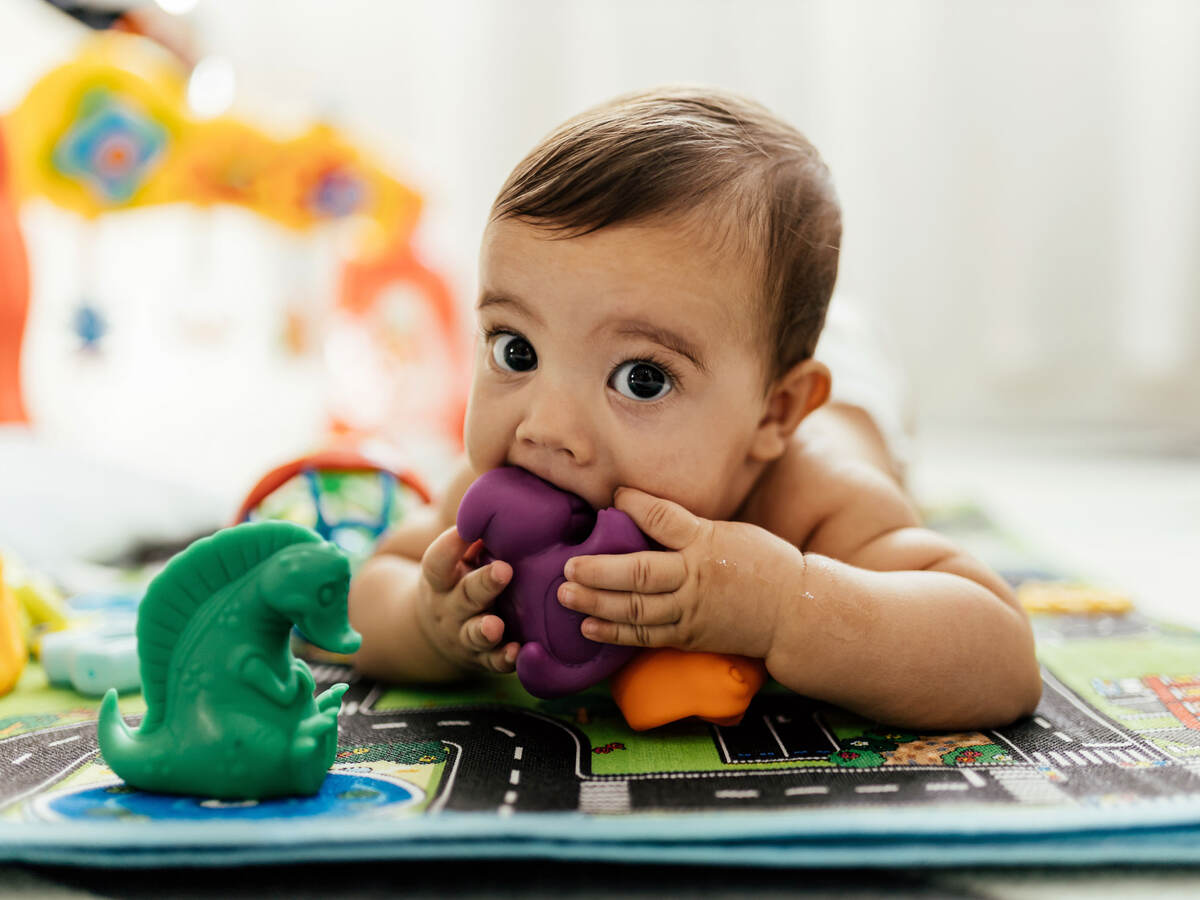
In December 2025, Europe took a major step toward strengthening toy safety with the publication of the European Union Toy Safety Regulation 2025/2509 in the Official Journal. The Regulation entered into force on Jan. 1, 2026, and will apply from Aug. 1, 2030, replacing Directive 2009/48/EC and reshaping how toys are regulated across the market.
At the heart of this update is a stronger focus on chemical safety. While the previous Directive already restricted certain substances, the new Regulation goes further — introducing additional substances and expanding the scope of existing restrictions. These changes reflect growing concern about chemical exposure in toys and the need to align requirements with the latest scientific knowledge.
In the sections that follow, our experts break down what manufacturers need to know about these chemical updates — from expanded substance bans and lower limit values to new requirements affecting materials, testing and documentation. We highlight where expectations are changing and what steps manufacturers can take now to prepare for compliance ahead of the 2030 application date.
- 1. Expansion of banned substances
Substances that are carcinogenic, mutagenic or toxic to reproduction (CMR) are already prohibited under the existing Directive. Based on the latest scientific evidence, the Regulation 2025/2509 significantly expands the ban to other categories of hazardous substances.
The new categories, in addition to CMRs, include:
- Substances with endocrine‑disrupting properties for human health, category 1 or 2
- Substances with specific target organ toxicity, category 1, following single or repeated exposure
- Respiratory sensitizers, category 1
- Skin sensitizers, category 1A
No specific limit values apply to these classifications. The Regulation states that substances meeting these criteria, as defined in Annex VI, Part 3, of Regulation (EC) No. 1272/2008, must not be present in toys, their components or their micro‑structurally distinct parts.
The unintentional presence of such substances is permitted only when it results from impurities in natural or synthetic ingredients or from the manufacturing process and is technically unavoidable under good manufacturing practice. The general safety obligation for toys remains unchanged.
- 2. Fragrances
Under specific conditions, fragrances remain permitted in certain types of toys, including olfactory board games, cosmetic kits and gustative games.
The new Regulation places increased emphasis on allergenic fragrances, which are considered particularly hazardous due to their high skin‑sensitizing potential, especially for younger children.
The following restrictions are applied:
- All toys: Allergenic fragrances are prohibited unless their presence is technically unavoidable under good manufacturing practice and does not exceed 10 milligrams per kilogram (mg/kg).
- Toys intended for children under 36 months of age, or toys intended to be placed in the mouth: Fragrances are prohibited unless their presence is technically unavoidable under good manufacturing practice and does not exceed 10 mg/kg. In such cases, the fragrance name must be clearly indicated on the toy, its label, packaging or an accompanying leaflet, as well as in the digital product passport.
- 3. Bisphenol A and other bisphenols
The Regulation introduces significantly stricter controls on bisphenols, a group of substances considered particularly concerning for human health. It prohibits the presence of ten substances from the bisphenol family in toys, reflecting the European Union’s broader effort to reduce exposure to these chemicals.
In addition, the Regulation sharply lowers the allowable migration limit for bisphenol A in all toys. A maximum migration limit of 0.005 mg/kg now applies.
What this means for manufacturers: These changes may require a review of material formulations, coatings and polymeric components, as well as updated migration testing and supporting documentation to demonstrate compliance under the new limits.
- 4. Per- and polyfluoroalkyl substances
Per‑ and polyfluoroalkyl substances (PFAS) are a large family of more than 10,000 man‑made chemicals used across a wide range of products, including consumer goods. A key concern with these substances is their high persistence in the environment, which leads to long‑term accumulation. For this reason, they are often referred to as forever chemicals.
Under the new Regulation, the intentional use of PFAS in toys, their components or their micro‑structurally distinct parts is prohibited, with limited exemptions, such as batteries and specific limits for certain substances already regulated at the European level.
What this means for manufacturers: Companies may need to review material selections, surface treatments and supply chains to identify and eliminate intentionally added PFAS, while maintaining documentation that supports any applicable exemptions or existing limits.
- 5. Biocidal products
Under the new Regulation, toys must not:
- Have a biocidal function if this would cause the toy to be classified as a biocidal product under Regulation (EU) No. 528/2012
- Be treated with, or intentionally incorporate, one or more biocidal products
By way of derogation, toys intended to be permanently placed outdoors may be treated with, or intentionally incorporate, approved biocidal products. In addition, preservatives may be used in certain toys, such as leave‑on cosmetic products listed in Annex V to Regulation (EC) No. 1223/2009, with specific restrictions. These exclusions apply to preservatives not permitted for use in products intended for children under three or ten years of age; products applied to mucous membranes, or products where contact with the eyes should be avoided.
What this means for manufacturers: These requirements may prompt a review of product functions, surface treatments and preservatives used in toy materials, as well as supporting documentation to demonstrate that any permitted uses fall within the applicable regulatory conditions.
- 6. Nitrosamines and N-nitrosatable substances
Nitrosamines and N‑nitrosatable substances continue to be regulated for certain categories of toys under the new Regulation. The key change is an expansion of scope: new requirements now apply to nitrosamines in slimes and putties, which were not previously covered.
What this means for manufacturers: Manufacturers of slimes, putties and similar toys may need to review formulations, raw materials and testing approaches to account for these newly introduced requirements, alongside updated documentation demonstrating compliance.
- 7. Prohibited substances with specific limits
Directive 2009/48/EC already set specific limits for certain substances in materials used in toys intended for children under 36 months of age or in toys intended to be placed in the mouth. Under Regulation 2025/2509, these substance‑specific limits are extended to all types of toys, broadening their scope across the market.
The Regulation also revises several existing requirements, including those related to formaldehyde emissions from wood‑based materials, reflecting updated scientific and regulatory expectations.
What this means for manufacturers: These changes may require a reassessment of materials and components previously considered out of scope, along with updated testing strategies and documentation to demonstrate compliance across all toy categories.
- 8. Monomers in polymeric materials
Under the Regulation, monomers such as styrene, acrylonitrile, butadiene and vinyl chloride are subject to defined migration limits when present in polymeric materials used in toys. These limits apply to all toys, regardless of age group or intended use.
What this means for manufacturers: Manufacturers may need to review polymer formulations, raw material sourcing and migration testing for plastic components, along with supporting documentation demonstrating compliance with the applicable limits.
The new EU Toy Safety Regulation raises the bar for chemical safety, with very low limit values and broad substance bans affecting materials used throughout the toy production process. For manufacturers and laboratories, these changes call for a proactive approach — reviewing material formulations, assessing potential impurities and residues from manufacturing, and updating testing strategies where limits or scope have changed.
Meeting these requirements also places greater emphasis on traceability and robust chemical documentation across the supply chain. Taking action early can help manufacturers identify gaps, adapt processes and align internal controls ahead of the 2030 application date.
NOTE: International and local regulations are subject to change, and each situation may vary. This information is intended as a general overview and should not be relied upon as specific advice.

Toy industry regulatory updates: What’s next
Looking for the latest toy regulatory updates? Download our gated guide for a curated overview of key changes and upcoming requirements impacting toys and children’s products worldwide.



Get connected with our team
Contact UL Solutions for expert guidance and support with material reviews, testing strategies and documentation ahead of the European Union Toy Safety Regulation.