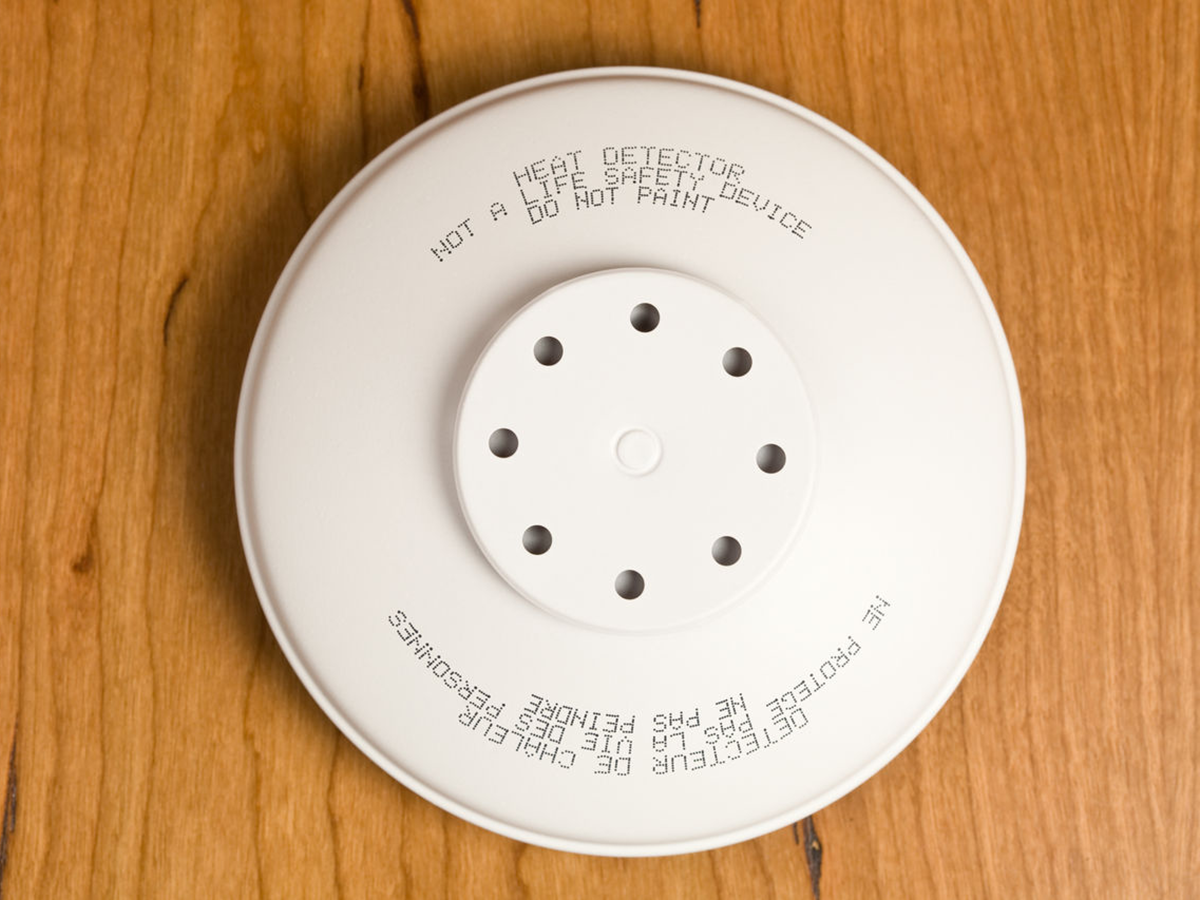
Daniel Michael, principal engineer, Initiating and Indicating Devices, UL Solutions
Unconditioned spaces, typically defined in model codes and standards as enclosed areas without climate or heating, ventilation and air conditioning (HVAC) controls, present environmental challenges that affect the reliability and performance of fire detection devices. Temperature extremes, humidity and other environmental conditions may render smoke alarms unsuitable or unreliable within these areas. This article examines the definition and characteristics of unconditioned spaces through the lens of ANSI/UL 539, 8th Edition & CAN/ULC 589:2025, 1st Edition. It explains how the Standard establishes performance, ambient-temperature and installation-suitability requirements that directly support the application of heat alarms in such environments.
Fire detection technology selection depends heavily on environmental conditions. Areas not maintained within typical human comfort ranges — commonly referred to as unconditioned spaces — pose a unique challenge for life safety systems. Traditional smoke alarms, which are typically evaluated under limited ambient temperature and humidity ranges, are susceptible to nuisance alarms or malfunctions when installed in extreme environments. As a result, model building and fire codes frequently allow or require heat alarms rather than smoke alarms in these locations. One such example is the recently added model code requirements to provide fire protection in attached residential garages that contain an energy storage system (ESS).
ANSI/UL 539, 8th Edition & CAN/ULC 589:2025, 1st Edition is the primary product safety standard governing single- and multi-station heat alarms intended for residential and similar occupancies. Recent revisions to the Standard explicitly address the suitability of these devices for use in unconditioned spaces and define such areas as enclosed spaces without continuous climate controls where individuals spend time. Examples include attached garages, crawl spaces, attics associated with a family living unit, cottages, cabins with combustible-fuel appliances and/or fireplaces, barns, and other environmental areas of concern.
The Standard also establishes construction, performance and testing requirements for heat-actuated, single- and multi-station heat alarms intended for indoor, outdoor and unconditioned-area installations. The Standard covers devices designed to alert occupants to fire conditions based on fixed temperature, rate of rise or a combination of heat-sensing principles.
ANSI/UL 539, 8th Edition & CAN/ULC 589:2025, 1st Edition explicitly addresses:
- Expanded ambient temperature limits in unconditioned spaces
- Low frequency alarm signal formats
- Surge immunity requirements
- Performance consistency across wide environmental ranges
A key technical distinction between smoke alarms and heat alarms is the range of ambient temperature ratings. UL 539 aligns heat alarm ambient temperature performance with National Fire Protection Association (NFPA) 72, National Fire Alarm and Signaling Code®, classifications to help ensure that listed devices:
- Maintain accuracy and stability at higher ambient temperatures
- Avoid false activation or calibration drift caused by environmental stress
- Continue to operate during seasonal extremes common to unconditioned spaces
This alignment formally recognizes that heat alarms are intended to function in environments that are outside of typical operating limits for smoke alarms.
Fixed-temperature heat alarms (commonly rated at 135 F or higher) are well-suited to unconditioned spaces because their actuation is independent of air quality and triggers an alarm when the air temperature at the sensing element reaches a predetermined setpoint, regardless of how slowly or quickly the temperature increases.
Rate-of-rise fire detection elements are highly effective at detecting rapid temperature increases, regardless of the initial ambient conditions. This capability is particularly advantageous in environments such as garages and mechanical areas where baseline temperatures may frequently be elevated due to equipment operation or other factors. These detectors excel at recognizing the distinct thermal signature associated with fire development, allowing for timely alerts and prompting swift action. Their sensitivity to sudden temperature changes makes them an invaluable tool for safeguarding spaces where fire hazards are more prevalent.
UL 539 evaluates both detection methods for reliable performance across environmental conditions, including unconditioned locations. Dedicated performance tests in the latest edition of the Standard have been established to address temperature, humidity and corrosive test conditions within unconditioned environments. Heat alarms that have been properly certified for unconditioned spaces must be permanently and legibly marked with information indicating their ability to be installed within the expanded temperature range. These markings include:
- In Canada: “Alarme de Chaleur Pour Zone Inconditionnée”
- In the United States: “Unconditioned Area Heat Alarm”
Heat alarms are certified by UL Solutions under product categories UTFS and UTFS7 for Canada. The UL certifications (listings) can be viewed on Product iQ®, which is free to use but requires a one-time registration.
NFPA 72 recommends that the householder consider the use and placement of additional heat detectors in areas such as attics, utility rooms, and integral or attached garages, and defines the installation criteria for interconnection of alarms.
Unconditioned spaces represent a distinct and challenging environment for residential fire detection. UL 539/ULC 589 plays a critical role in establishing performance requirements for heat alarms that operate reliably under extreme environmental conditions. By explicitly considering ambient temperature and stability, the Standard provides the technical foundation for NFPA 72 and building codes to permit or require heat alarms when smoke alarms are unsuitable.
The continued alignment of UL 539 with NFPA 72 reinforces a performance-based approach to detection that prioritizes reliability over uniform device application, helping to support occupant safety in unconditioned spaces.
Contact us
Email: ULRegulatoryServices@ul.com