


Empower breakthrough innovation
Our Applied Science and Innovation team gives organizations access to world-class R&D knowledge grounded in science. We help empower you to solve complex problems, shorten product development cycles, sharpen your competitive edge and accelerate time-to-market.
We help you rethink what’s possible by combining curiosity, precision, creativity and compliance.
Gain early access to rich product development data
Organizations must access meaningful data across various attributes to gain a deeper understanding of product behavior. This insight also helps mitigate the likelihood of problems surfacing in later development stages.

Leverage on-demand innovation expertise
Infrastructure, software and subject matter expertise are essential as end-product expectations and safety concerns drive the need for new tests and testing equipment.

Foster long-term growth and resource balance
Innovative organizations prioritize R&D efforts, balancing the need for new technologies against the cost of cutting-edge resources.
In-depth R&D expertise
Our Applied Science and Innovation team leverages an extensive background in safety science and product performance to solve even the most complex product development problems across a comprehensive range of products, materials and processes.

Fire R&D
Accelerate product development timelines and minimize risks with our expertise in fire safety, data science and fire modeling, materials and dynamics for everything from small electronics to the built environment.

Electrical and Mechanical R&D
Test your designs against relevant requirements and develop new tests to better understand power generation, electronic circuits and signal processing, as well as machinery, vehicles, medical devices and other physical systems.
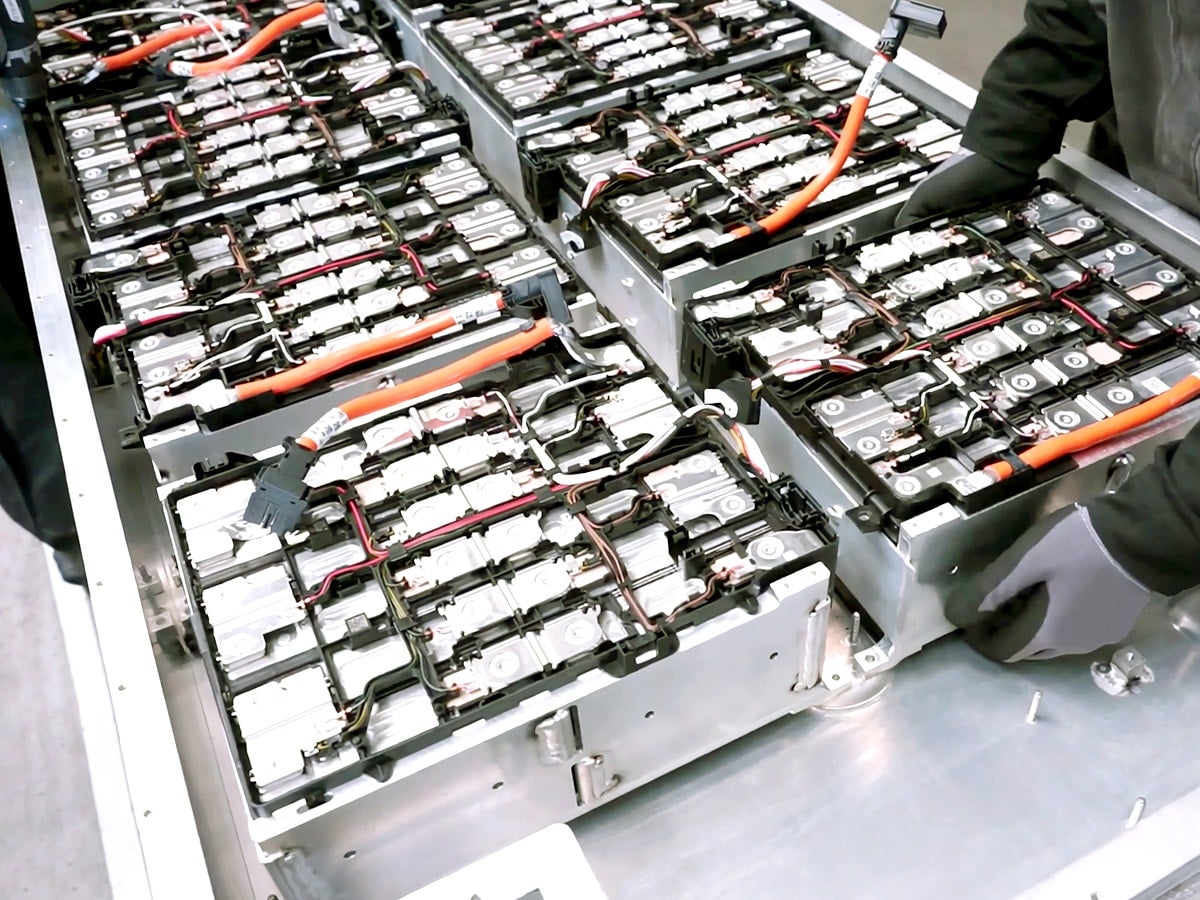
Electrochemical and battery R&D
Access meticulous testing for electrochemical systems to help you assess safety features, identify potential failure modes — even when a relevant standard may not yet exist — and explore unique battery chemistries to understand how to harness their unique strengths.

Chemistry and material science R&D
Explore chemical processes and material structures across diverse markets, including pharmaceuticals and high-performance materials, as you innovate new products or improve existing offerings.
Meet our experts

"When solving a problem, I like to see where conventional wisdom is going — and move in a different direction to break new ground. When we're backed solidly by physics, our team is confident in our results, rigorous in pursuing the scientific method, and always willing to try a new approach to satisfy our customers' hunger for innovation."
Terry Alger
Vice President of Innovation and Applied R&D
“An engineer or scientist needs to experience and savor art, foreign language and even popular culture to be an effective technical leader, and to build a love of life. These passions will show through and enhance one’s technical work, making it more meaningful and useful.”
Paul W. Brazis, Jr., PhD
Senior Manager, Innovation and Applied R&D


“What we get to do here is carry forward more than a century of safety science. When new hazards emerge, we create the testing that helps manage risk and preserve public trust — so people can feel confident that the products they rely on won’t cause harm.”
Alex Schraiber
Senior Manager of Fire Research and Development
“We make sure that safety is front of mind and that hazards are well understood by stakeholders. By doing this, we help customers garner public trust in their products and technologies.”
Benjamin Gaudet
R&D Manager, Applied Research and Development


"The possibilities for modeling and simulation to support compliance and product development are extremely valuable, and it’s just the beginning. We’re joining our customers in the journey, and our many decades of product domain expertise combined with the simulation experience provides them with significant value."
Heike Thomas
Senior Manager, Strategy and Portfolio Innovation | Science and Innovation
From bespoke tests to unique equipment and simulation capabilities, we help you innovate with confidence

In-depth, early-stage research
Access in-depth product and materials information to gain rich insights that can help shape the product development process.

Test and test apparatus development
Development of customer-specific test methods and devices to answer unique product and material questions.

Advanced modeling and simulation
Advanced simulation services to help reduce cost and provide product development in the earliest stages, along with model development for special use cases.

Material safety and performance characterization
Explore valuable data at the material level that can help you make more informed product development and sourcing decisions.
Frequently Asked Questions
- Can we resource R&D internally?
Depending on the depth and breadth of your resources, some R&D can be managed internally. However, the right external partner can complement your internal efforts and resources and provide new perspectives and expertise. This can help reduce regulatory ambiguity, accelerate pre-compliance and smooth global market access.
- When is the best time to engage with a third-party R&D partner?
Organizations may leverage third-party R&D at any stage of the product development cycle. However, gaining access to expertise early in the process can help strengthen product development in the earliest stages. By identifying potential risks early and more thoroughly understanding critical product attributes, teams may experience fewer redesigns, faster approvals and more predictable launch timelines.
- Will working with an external laboratory slow our processes?
The right partner can help you achieve a shorter overall timeline. To help you realize this benefit, select a company that prioritizes pre-compliance and parallel testing. Most project delays are caused by the late discovery of issues, so ask how the company will help identify and address risks early to reduce downstream compliance issues and speed overall time to market.
- We are expanding to multiple regions. Can UL Solutions support our efforts?
We consolidate your global market requirements into a single access plan, orchestrate delta-testing and maintain a proactive change radar to help you mitigate risk. UL Solutions market access experts can help you streamline international launches by navigating complex regulatory environments, reducing duplication and accelerating approvals.
- What do we do if standard tests will not adequately address our innovation?
With the right experience, a third-party R&D partner can design custom protocols tailored to your innovation’s unique risks, materials and performance goals. With dedicated expertise, advanced simulation tools and cross-industry insights, they can help validate your ideas even when clear regulations may not be available.
- Will custom test development slow my path to market?
It doesn’t have to. Custom test development can help accelerate your path to market because targeted protocols can be designed to validate your innovation more efficiently than retrofitting generic standards. Custom testing also helps reduce delays associated with rework or failed approvals.
- Should I worry about my IP?
Intellectual property (IP) is always a top concern and, with a reliable partner, should always be a top priority. When selecting a third-party R&D partner, ask about their confidentiality protocols and secure data handling processes.

X
Get connected with our sales team
Thanks for your interest in our products and services. Let's collect some information so we can connect you with the right person.
Please wait…
Characters remaining