January 28, 2026
By Donia Amara, Regulatory Specialist, Supply Chain Team, UL Solutions
The French government has adopted Decree No. 2025-1376, a significant regulatory measure that places broader restrictions on per- and polyfluoroalkyl substances due to their persistence in the environment and their links to health risks.
The decree establishes detailed rules to enforce the law adopted by the parliament at the end of February. The manufacture, import, export, and marketing of certain products containing per- or polyfluoroalkyl substances (PFAS) has been prohibited since Jan. 1, 2026.
This ban, set out in Article L. 524-1 of the Environmental Code, strengthens national rules in line with the requirements currently in force at European level relating to PFAS.
Key obligations
Under the decree, the manufacture, import, export and placing on the market of products containing PFAS are prohibited for certain categories where safer alternatives exist.
Products directly impacted by this decree include:
- Cosmetics
- Ski waxes
- Textiles products and clothing
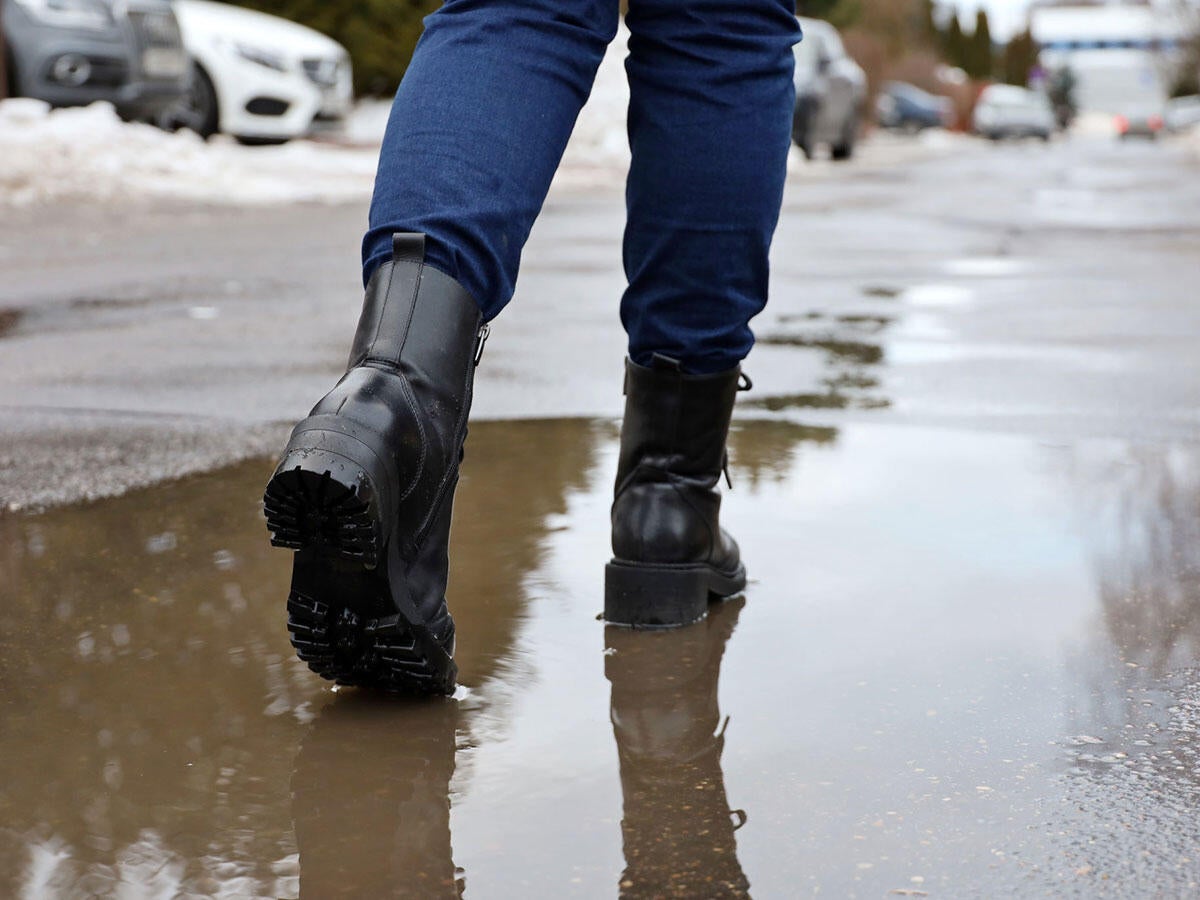
- Footwear
- Waterproofing or stain resistance agents
Exemptions and transitional measures are outlined in the following Articles:
https://www.ul.com/news/france-adopts-ban-pfas-consumer-products
https://www.ul.com/news/france-drafts-decree-pfas-threshold-values
Residual thresholds and compliance requirements
The law also expressly introduces the concept of “tolerated traces,” which are thresholds set by the regulation to distinguish between acceptable residual presence and intentional additions.
The levels set out by decree for PFAS content are as follows:
- For any PFAS measured by targeted analysis (excluding polymers): 25 parts per billion (ppb)
- For the sum of PFAS measured as the sum of targeted analysis (with prior degradation of precursors where applicable, but excluding polymers): 250 ppb
- For PFAS, including polymers: 50 parts per million (ppm)
If total fluorine levels exceed 50mg F/kg, a business must demonstrate whether the fluorine originates from PFAS or non-PFAS substances, if requested by authorities.
Deadlines
The products manufactured before Jan. 1, 2026, may be placed on the market or exported for a maximum period of twelve months from that date.
The ban will be extended on Jan. 1, 2030, to all textiles (e.g., furnishings) containing PFAS, with some exceptions, such as technical textiles for industrial use, which will be specified in a list adopted by decree.
Early compliance planning will be key to managing supply chain adjustments ahead of the implementation dates.
References

Regulatory Roundup Newsletter
Never miss an update
UL Solutions, the global safety science leader, can keep you updated on the latest events with a variety of materials, ranging from the latest regulatory news, webinars, white papers, events, industry insights and more.
Subscribe to our monthly Regulatory Roundup Newsletter and stay up to date on current and upcoming regulations and all the latest chemical industry news.
Safety Data Sheet (SDS) Authoring and Labeling Software and Services
Create, maintain and distribute comprehensive SDSs and labels to meet your increasingly complex global compliance requirements.

Chemical Regulatory Compliance
Manage your chemical compliance needs with the help of global regulatory expertise and leading resources.

Chemical Compliance Training
We provide a series of chemical regulatory training programs designed to help understand the diverse set of requirements and how to confront them.
Get connected with our sales team
Thanks for your interest in our products and services. Let's collect some information so we can connect you with the right person.