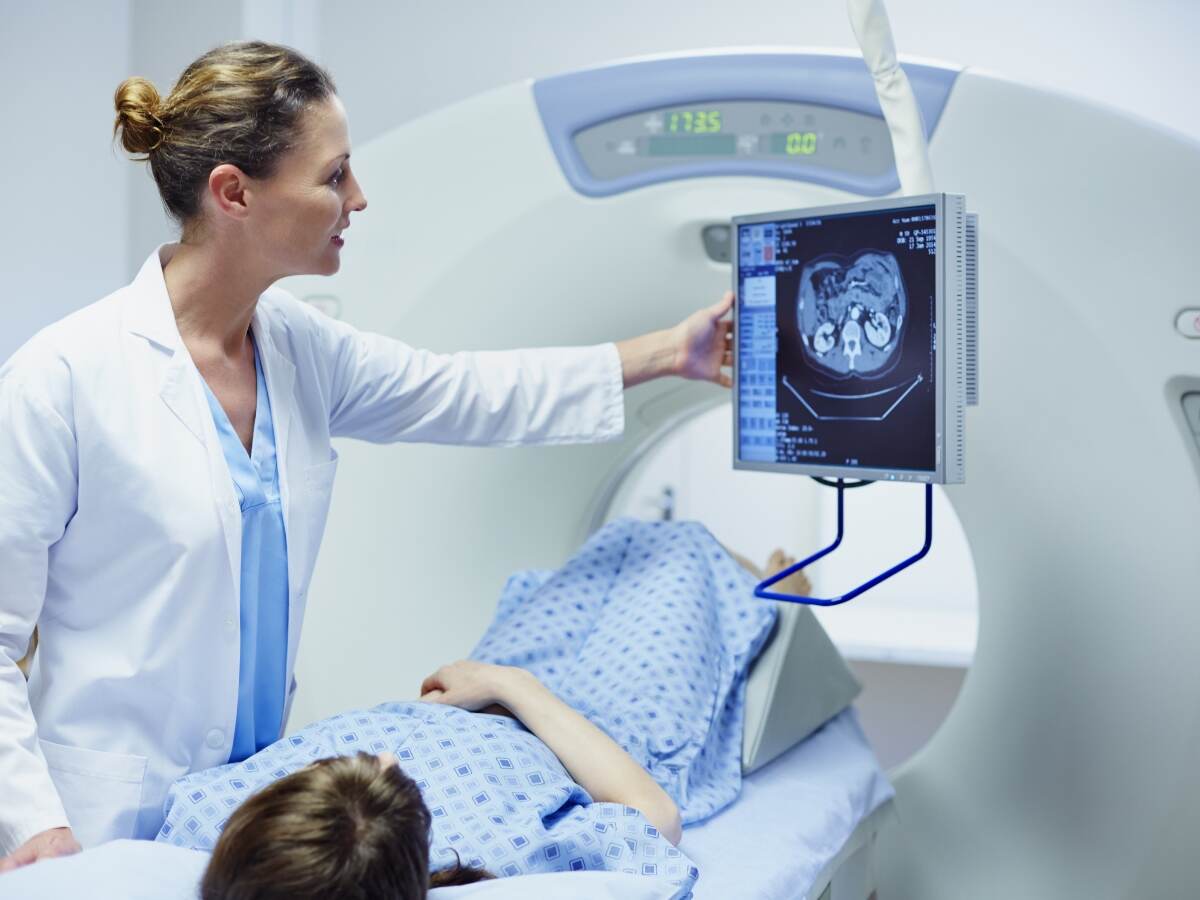

If you’re a manufacturer or developer of medical devices and software, this quick Q&A with Pamela Gwynn is a must-read. As one of our most seasoned and plugged-in principal engineers, Pamela offers guidance regarding important issues that impact market access, advancing product security and embracing sustainability.
How do cybersecurity requirements vary across regions, and how should they be addressed during development?
Medical device manufacturers are indeed responding proactively to evolving cybersecurity challenges. For example, some devices are designed to restrict use only to the clinical environment, barring access from thumb drives to try to keep data secure. As medical care moves into the cloud, manufacturers need to understand those threats and meet regulatory needs in their target markets.
A good example is in the EU, where the Cyber Resilience Act outlines new requirements that manufacturers need to meet to maintain market access. It’s expected that standards will become more prescriptive over time and we stand ready to help our customers understand how to comply.
What are the key differences between China’s National Medical Products Administration (NMPA) and Western regulatory bodies or regulations like the Food and Drug Administration (FDA) or the EU Medical Device Regulation (MDR)?
It’s challenging for manufacturers — and even organizations like ours — to have complete insight into the specific requirements from the NMPA. Most of the time, manufacturers will need in-country testing, but there are exceptions. However, the guidance can be rather mercurial, with little consistency regarding what those exceptions are. It’s recommended that customers should anticipate the need for in-country testing when planning their market access strategy for China.
On the other hand, bodies like the FDA and EU MDR tend to offer guidance that is clearer and more comprehensive. This transparency makes it easier for manufacturers to navigate requirements and feel confident about their market access timeline.
What documentation is essential for demonstrating safety and performance across jurisdictions?
The documentation required will depend entirely on the markets a manufacturer wants to enter. Regulatory schemes, such as the IECEE CB scheme, which has more than 50 member countries, can have widespread coverage but not universal participation.
Each scheme outlines the documentation required and how it should be prepared and formatted. Additional requirements may apply, and we help customers identify and navigate any region‑specific variations. For example, in the EU, it’s important to look not just at the CB scheme but also at Annex ZA in the EN scheme, which outlines factors such as additional test procedures.
What trends or innovations are being developed to reduce the environmental impact of medical devices (are companies focusing on a particular step in the development process, business unit or other aspect)?
In the IEC’s 60601 series of standards, there is some fairly basic guidance with regard to “environmentally conscious designs,” such as offering recommendations regarding recycling according to local or regional regulations. However, stakeholders recognize the real need to develop a common vocabulary around environmental issues and circular design. The medical technology community is working to create guidance documents about what manufacturers should consider during product development regarding reuse, refurbishment and recycling from an overall life cycle perspective. For example, X‑ray machines are expensive pieces of equipment that hospitals are reluctant to discard after only a few years of use, so refurbishment is often preferred.
In 2024, the FDA published final guidance regarding refurbishment, including outline compliance, reporting and labeling methods. However, resources are finite and increasingly expensive. The industry needs to start thinking about reuse more holistically, like going beyond machinery and reusing components or materials. We’re already starting to analyze these risks and how to provide support for manufacturers on these topics.
Do materials like bio-based or recycled plastics play a big role in sustainable device development?
Increasingly, manufacturers are looking at integrating more sustainable design methods in response to growing concern for the environment. By participating in the circular economy, medical device makers can minimize the risk of unintentionally shifting environmental impact within the product life cycle and also streamline resource use and costs.
There’s been a lot of work over the past few years on standardizing IEC TC 62 — in fact, I’ve been a national delegate representing the United States at several international meetings and co-convenor of Working Group 43. With regard to sustainability, Joint Advisory Group 5 (JAG5), created with ISO/TC 210, is providing guidance on the medical device life cycle, including environmental impact and circular design principles such as ecodesign and refurbishment.
Guidelines are being developed for incorporating more sustainable design in the medical device sector. In many cases, manufacturers will need to balance sustainable design methods with the need for medical devices to fulfill the needed safety and performance.


X
Get connected with our sales team
Thanks for your interest in our products and services. Let's collect some information so we can connect you with the right person.
Please wait…
Characters remaining
More for Health and Life Sciences
- Conversation with Medical Device Industry Expert Pamela Gwynn
- Conversation with Evangeline Loh: Anticipated changes for the Medtech market in 2026
- Conversation with Adrian Wain: The Future of ESG Reporting in Health and Life Sciences
- Conversation with Colleen Loconte and Mark Lee: The Future of Workforce Training in Health and Life Sciences