
Enable EV charging compatibility with confidence
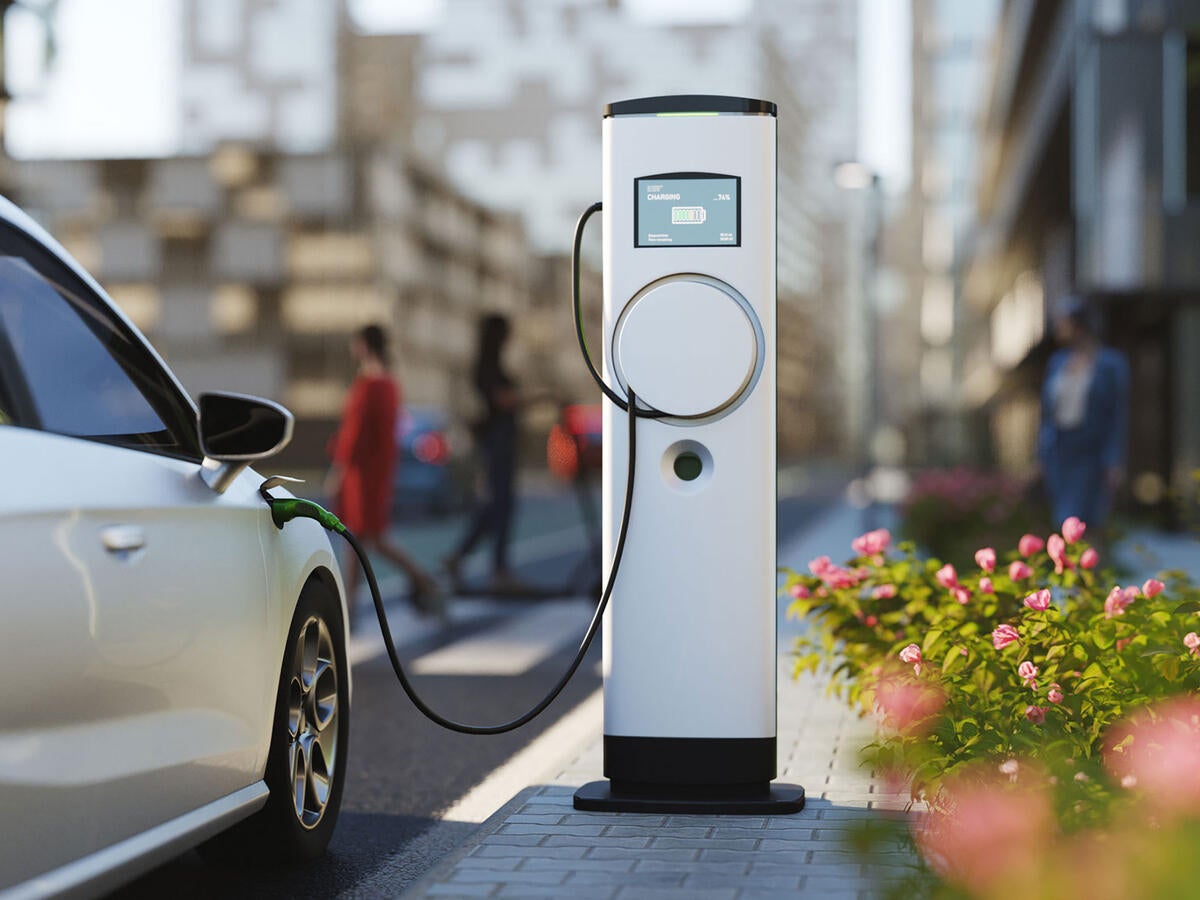
As electric vehicle (EV) adoption accelerates, drivers face a key challenge: incompatible charging connectors. Early EVs and chargers were built with different interfaces, limiting where and how drivers can recharge. This lack of standardization restricts access to public charging stations and complicates home charging. ANSI/CAN/UL 2252 (UL 2252), the Standard for Adapters for Use with Electric Vehicle Couplers, plays an important role in addressing these compatibility and safety challenges.
What is an EV coupler adapter?
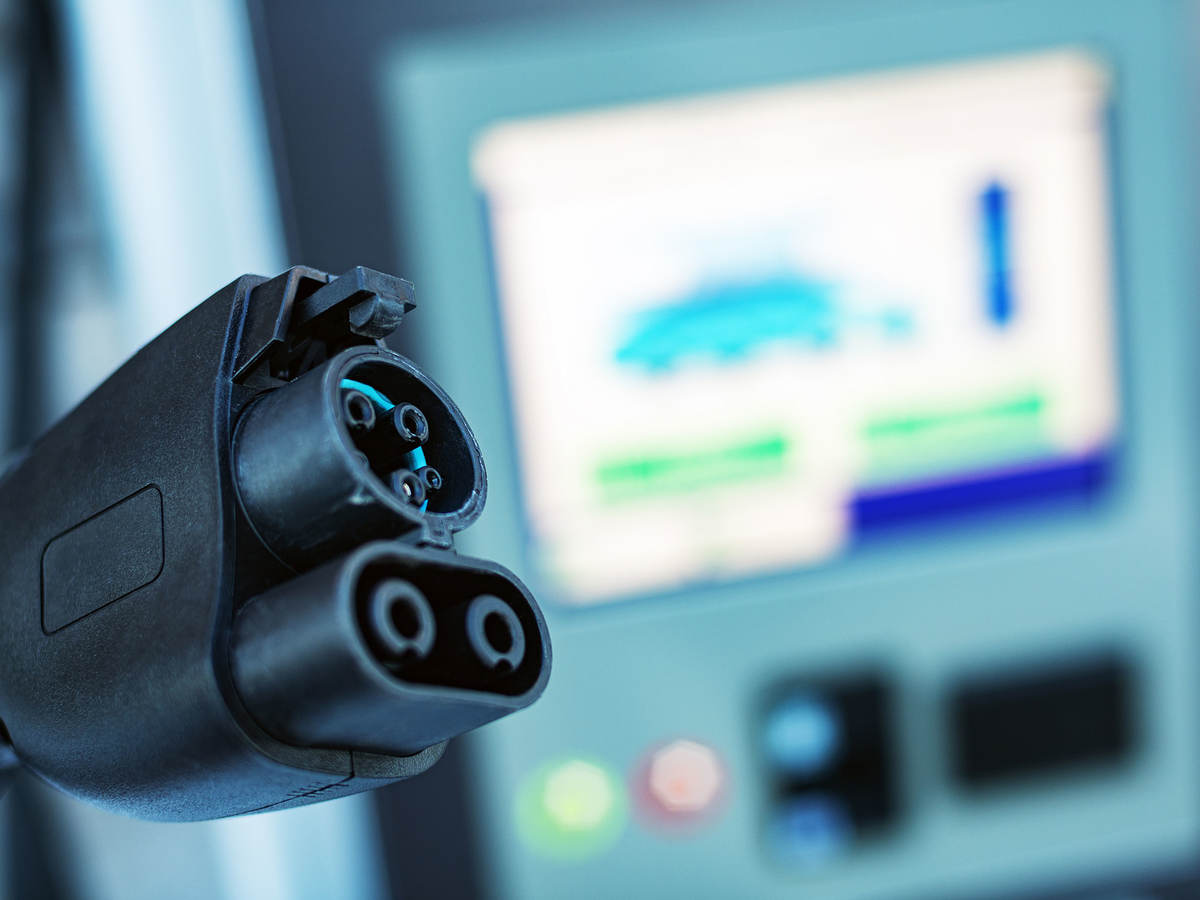
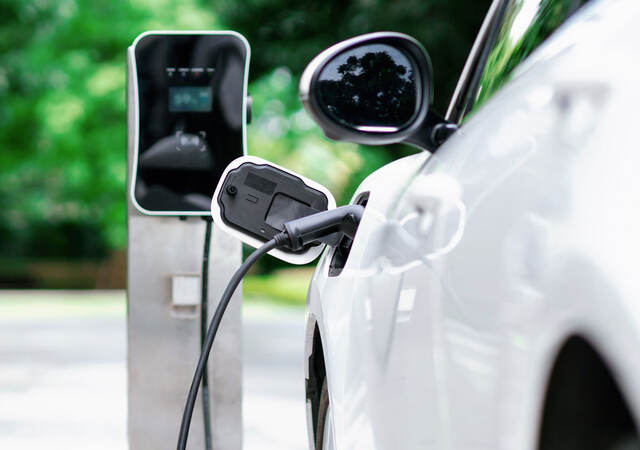
An EV coupler adapter is a single device that connects EVs to charging stations with different connector types. It enables:
- Power transfer from the charging station to the EV battery
- Communication between the vehicle and the charger’s control systems
Adapters help overcome compatibility issues, making it easier for drivers to access charging infrastructure wherever they go. Certified adapters allow EVs to connect with a broader range of charging stations, improving convenience for drivers and supporting broader EV adoption.
Our customers benefit from
Expanded charging access

Faster time to market

Recognized compliance

Expert guidance
Why you need EV adapter certification
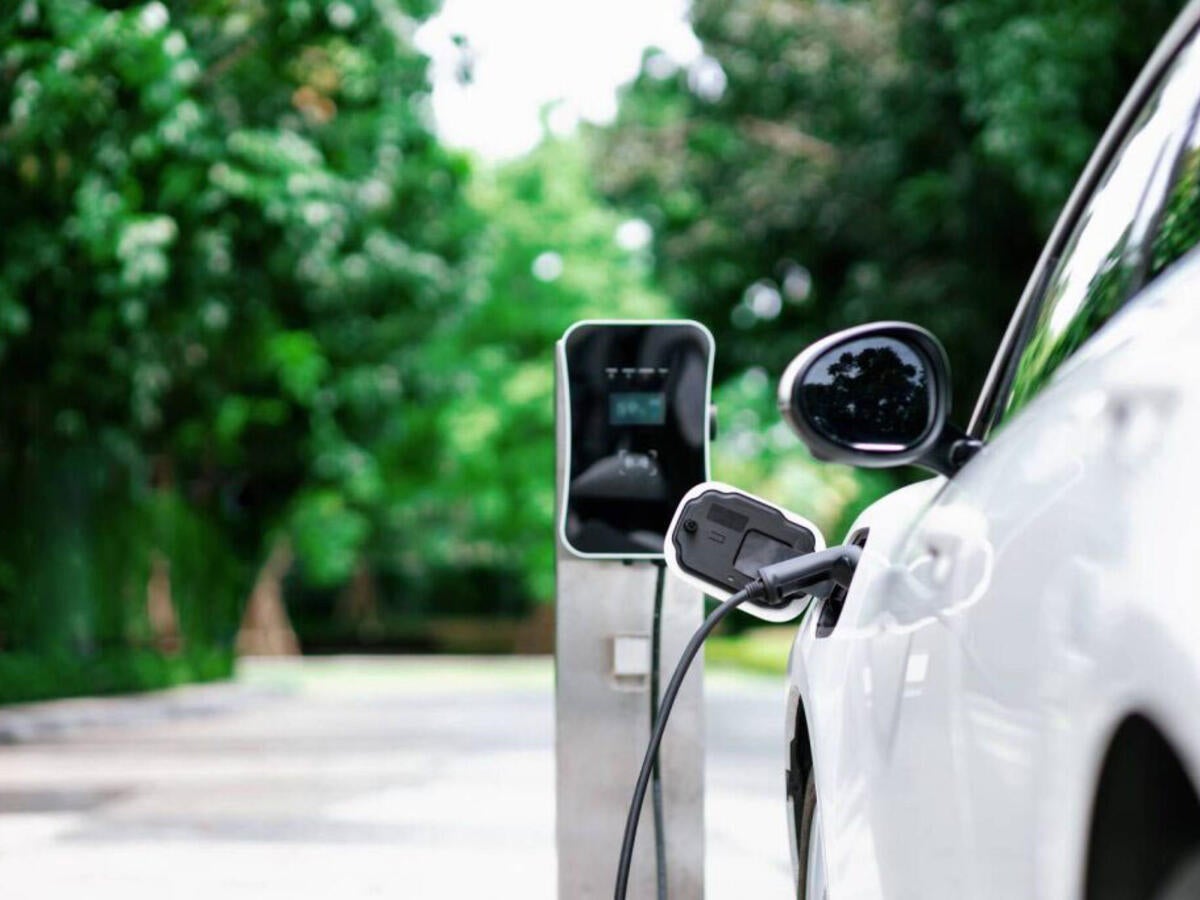
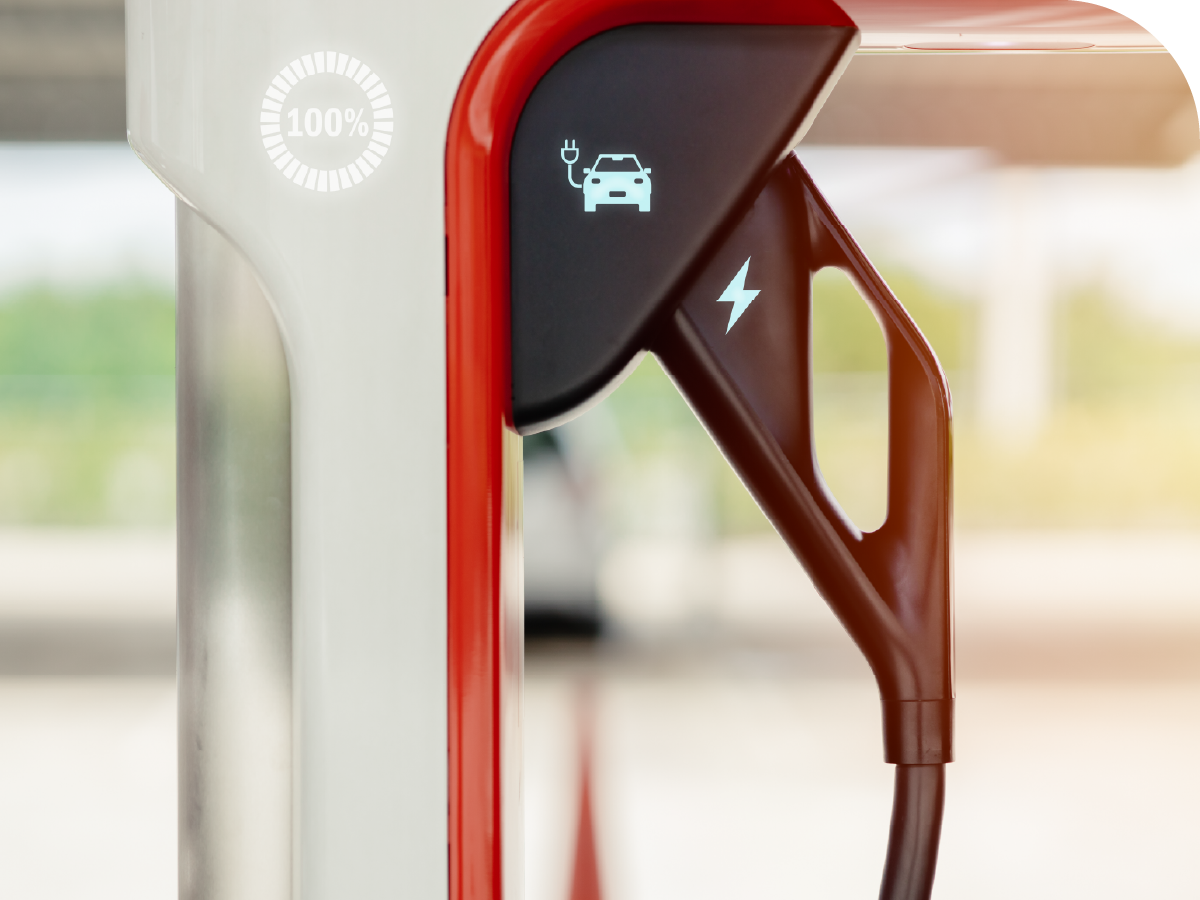
In 2024, the U.S. Department of Transportation (DOT) announced funding for EV charging stations along interstate highways, selecting the North American Charging Standard (NACS) as the preferred connector. While many new EVs are adopting NACS, millions of vehicles on the road still use CCS1 or SAE J1772 Type 1 connectors.
To help support safer, more flexible charging across different connector types, a standardized adapter is essential. UL 2252 provides the framework to evaluate these adapters for safety, performance and interoperability. Certification to this Standard helps manufacturers demonstrate compliance and build trust with customers and regulators alike. Meeting UL 2252 requirements and earning the globally recognized UL Mark shows your commitment to safety and performance.
What is UL 2252?
UL 2252 is a safety Standard that covers electric vehicle (EV) charging system equipment, specifically focusing on connectors and couplers used for conductive charging. It establishes requirements to support safer operation, durability and compatibility of charging components, helping manufacturers and users reduce risks associated with electrical hazards and interoperability issues.
What’s included in our testing and certification services
UL Solutions helps manufacturers bring EV charging adapters to market with trusted compliance testing and certification services. Our expertise supports the development of safer, more reliable adapters that expand charging options and build consumer confidence.
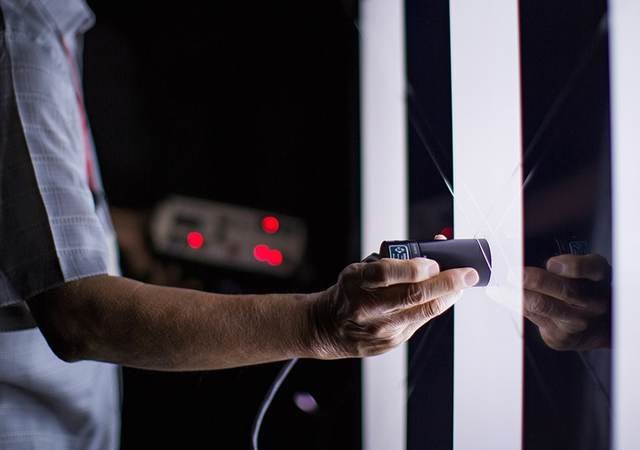
Our streamlined testing and certification process can help you launch products faster and with greater confidence. UL Solutions evaluates EV coupler adapters to UL 2252 through:

Design and construction review

Material testing for flammability and electrical properties

Performance testing for temperature, endurance, vibration, drive-over resistance and more

Electrical testing for insulation resistance, short circuit, and grounding

Evaluation of markings and user instructions

Why trust UL Solutions
Global recognition
With a legacy of advancing safety science, UL Solutions is a trusted name in product testing and certification worldwide.
Advanced testing facilities
Our laboratories in Northbrook, Illinois, and Fremont, California, are equipped to test EV charging infrastructure for U.S. and global markets.
Deep technical expertise
Our experts have in-depth knowledge of UL 2252 and participate in over 1,300 standards panels and technical committees, including the National Fire Protection Association’s National Electrical Code® Committee.
Proven track record
We’ve tested and certified billions of products globally, helping manufacturers meet regulatory requirements and build consumer trust.
UL 2252 EV Coupler Sell Sheet
370 KB

X
Bring EV charging adapters to market
Connect with our team and demonstrate adapter compliance with testing from UL Solutions.
Please wait…
Characters remaining