Material Substitution and Modification for Plastics sell sheet English
310 KB
Our material substitution and modification services help plastics manufacturers maintain certification, production continuity and market access.
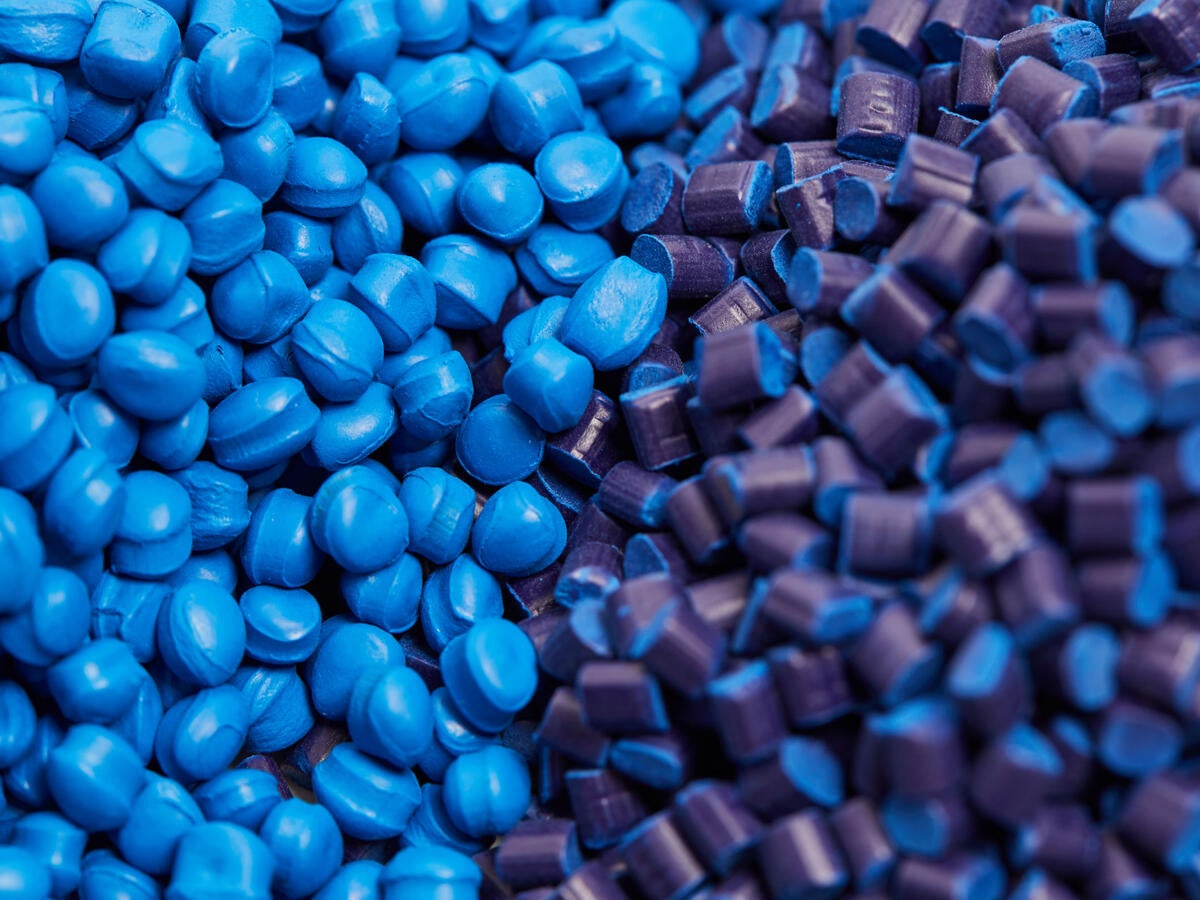
Plastics underpin the performance, safety and compliance of certified products across industries, from electrical components and industrial equipment to appliances and consumer electronics. In these applications, material selection shapes more than durability and function. It directly influences safety outcomes and the ability to meet certification requirements in global markets.
As global instability continues to disrupt energy markets, logistics networks and material supply chains, plastics manufacturers are facing less predictable access to preferred materials. When resources become constrained or unavailable, manufacturers are often forced to revisit material choices midstream. Without a planned framework in place, these decisions can disrupt development timelines, complicate certification efforts and introduce avoidable rework.
Building flexibility into material decisions changes that dynamic. Instead of restarting qualification and certification activities, teams can assess alternative materials against defined performance criteria and documented expectations. Planning material alternatives early enables informed adjustments that help preserve momentum across development, certification and production as sourcing conditions or regulatory expectations evolve.
With a material strategy built for flexibility, organizations can:
Evaluate material options and plan ahead with UL Solutions Material Substitution and Modification for Plastics services.
In a period of sustained global disruption, many plastics teams are being asked to adapt faster — often with less certainty around pricing, availability and lead times.
Supply chain challenges, formulation changes and evolving regulatory expectations make material availability less predictable. For manufacturers relying on certified plastics, even minor material changes can carry downstream consequences for compliance, documentation and timelines.
A structured approach to material substitution allows organizations to move from reactive decision‑making to proactive planning. By defining acceptable material boundaries in advance and aligning them with certification requirements, teams can respond to supply constraints without compromising safety, performance or market access.
This level of preparation supports stronger coordination across engineering, quality, regulatory and procurement functions. It also helps manufacturers make faster, more confident decisions when material changes are unavoidable — without introducing unnecessary risk or restarting certification efforts.
One of the most effective ways to operationalize material flexibility is through polymer variation evaluation. UL Solutions works with manufacturers to evaluate polymeric materials used in electrical and electronic equipment within clearly defined performance parameters, guided by the UL 746 series of Standards:
By establishing acceptable material boundaries in advance, manufacturers can account for formulation changes or supplier transitions without introducing uncertainty into certification or production plans. This supports more consistent decision‑making, reduces the risk of material‑driven delays and helps teams respond faster when material substitutions become necessary.
This program supports:
At the core of our material substitution and modification services is the UL Solutions Plastics Recognition Program.
A Yellow Card™ provides verified, publicly available performance credentials for polymeric materials, giving manufacturers a reliable basis for material selection decisions aligned with certification requirements.
These credentials include:
By establishing documented performance benchmarks, Yellow Cards help manufacturers differentiate materials and assess suitability for defined applications. They also support downstream manufacturers by reducing the need for repetitive testing when materials change within recognized parameters.
UL Solutions regularly monitors recognized materials, helping maintain alignment between published performance data and ongoing production realities.
When material shortages arise, speed matters — but so does accuracy. Product iQ®, part of our ULTRUS® software portfolio, helps manufacturers identify UL Recognized plastic materials that align with defined application and certification requirements.
Using advanced search and filtering capabilities, teams can quickly narrow material options based on relevant performance attributes and recognition status. This makes it easier to evaluate substitution candidates without introducing uncertainty into certification or compliance activities.
Search and compare materials by:
By combining Yellow Card data with Product iQ’s search tools, organizations can rapidly assess alternatives and make informed choices — supporting the continuity of production even during a disruption.
While Product iQ focuses on certification‑aligned materials, Prospector®, part of the ULTRUS Product Stewardship portfolio, supports broader material discovery across suppliers and performance characteristics.
Prospector provides access to technical data for plastics and other engineered materials from manufacturers worldwide. Teams can explore material properties, compare technical documentation and assess options based on performance characteristics, availability and application needs.
Together, Product iQ and Prospector support a more complete material decision process. Product iQ helps confirm certification alignment, while Prospector expands visibility into potential alternatives, helping manufacturers plan ahead and respond more effectively.
Ongoing global uncertainty means material shortages are no longer isolated events, but an expected part of doing business for many plastics manufacturers.
As substitutions become more common, maintaining control over variations and tracking material decisions becomes equally important. Clear documentation, defined boundaries and traceable decision paths help organizations manage material change without introducing ambiguity across teams or regions.
A structured material substitution approach supports consistent governance by aligning engineering, quality and regulatory expectations from the outset. Decision criteria remain visible, material changes are evaluated against agreed performance parameters, and downstream stakeholders retain confidence in certification status. This level of clarity reduces rework, limits interpretation drift over time and supports audit readiness as products, suppliers and formulations evolve.
When supply conditions change, manufacturers are often asked to adapt quickly — while still meeting safety, performance and certification expectations across markets.
UL Solutions brings deep expertise in plastics testing, certification and material science to support teams through these moments. We work alongside you to bring clarity and structure to material decisions that affect certification, production and market access, helping keep safety and compliance aligned even as conditions evolve.
Our plastics capabilities support material decisions across the product life cycle, including:
By combining technical depth with certification and regulatory insight, UL Solutions helps manufacturers reduce delays, limit retesting and stay on track when material decisions change. The result is greater predictability — and a clearer path forward.
Connect with our team

