
This article is part of a series dedicated to exploring how product recalls represent a significant risk for the entire retail ecosystem, from retailers to manufacturers to suppliers.
With a high-level perspective as a partner to all relevant retail stakeholders, UL Solutions senior director of Global Retail Solutions Paul Condeelis shares hard-earned insights and experience to shed light on these fast-moving events and how to keep consumer safety at the center of your strategy.
In our previous article, we explored the anatomy of a recall, including key drivers of recall risk and how to manage risk while maintaining retail metabolism — my term for the relentless pace at which the retail ecosystem moves.
The first 72 hours: How to control fallout from retail recalls
Within the initial few days of a recall, retailers and manufacturers are operating in containment mode with the objective — first and foremost — to protect customers. At the same time, these stakeholders also need to take swift action to comply with regulatory obligations, preserve any sort of evidence that might be necessary in the future and restore trust.
Quick action, coordinated throughout the value chain, aligned to protect consumers, is crucial for a successful recall — or at least a minimally disruptive or damaging one.
Actions should be focused in four key areas:
Traceability of products in an increasingly complex retail ecosystem

Containment of recalled goods

Coordination between suppliers, regulators and the public

Communication to protect consumer safety
Recall activities that boost efficacy and impact
Speed is of the essence, but moving fast can come at a price. The most effective organizations have a series of different checkpoints performed by a cross-functional team with well-defined roles and responsibilities working together, with the shared goal of consumer safety.
In my experience, here’s a cadence of activities that fosters speed, accountability and trust during a recall:
- Create a command center for coordinated reporting and updates.
- Confirm that cross-functional recall team members have clarity around roles and responsibilities.
- Loop in regulatory bodies early to provide transparency.
- Action a “stop sale” to prevent additional sales.
- Contain recalled products in stores and warehouses, plus online marketplaces and resellers.
- Go public so consumers understand risk and what to do next.
- Collect relevant information throughout the supply chain.
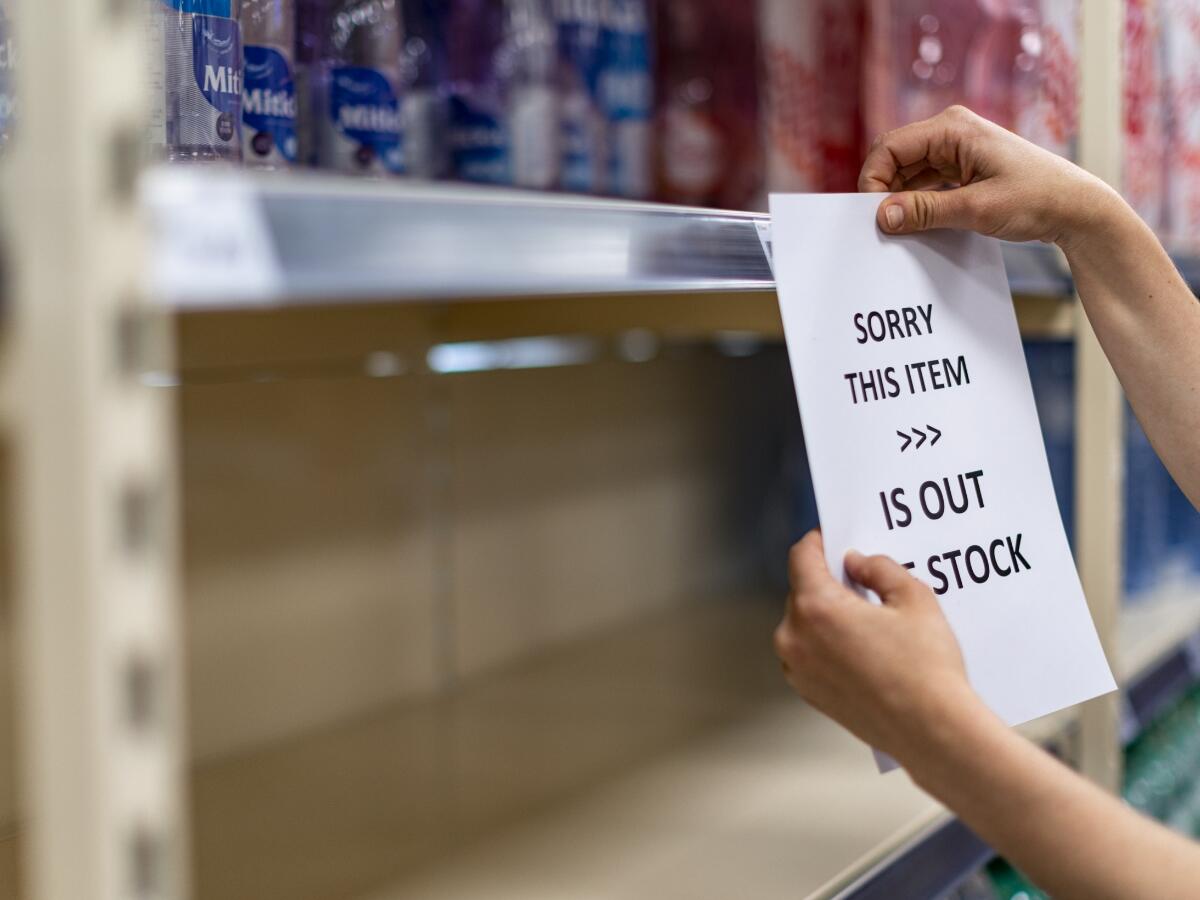
- Retailers, fill the hole in your product assortment to help satisfy consumer demand.
- Manufacturers, get ready for deep-dive analysis with a trusted third party.
The role of manufacturers in recall activities
While the retailer is seen by the public as responsible for managing recall activities, suppliers and manufacturers play the most significant role in solving the core challenge around product quality or risk. Responsible manufacturers and suppliers respond to recalls with collaboration and clarity, not defensiveness or excuses.
During my career as a retail executive managing recall events, I wanted to see manufacturers and suppliers offer transparent and frequent communication around initial containment and production impact, but also around root-cause analysis through processes like failure mode and effects analysis (FMEA) reviews, design of experiment validations, eight disciplines (8D), fishbone diagrams and teardown analysis.
Quick and decisive corrective action plans, powered by real data, help speed up what I call the “trust recovery process” with retailers and consumers. That needs to happen during a recall, but continue over time through inspections, audits and product testing, as well as through assessment of engineering capabilities and selection criteria of tier 2, 3 and 4 suppliers.
When suppliers and manufacturers want to restore trust, investing in root-cause analysis and ongoing quality control performed by a reputable third party is a smart move.

Data clarity and traceability challenges in global markets
When data clarity is lacking, companies must broaden the recall population since they can’t confidently identify which products and customers are affected.
Effective traceability can answer these questions:
- What specific products are included?
- When and where were they produced?
- Where were they shipped?
- What components are involved?
- What inventory remains in the market, including online marketplaces, resellers and liquidators?
Without these answers, recalls expand in scope, are more expensive to manage and invite additional scrutiny from regulators.

Complexities in containment of recalled goods
Finding and containing recalled products is always a big challenge, but it can be far easier when retailers practice good data hygiene to identify products in their assortment. Using a universal product code (UPC), rather than a unique or retailer-specific identifier, is recommended for traceability. When a stop sale takes place, it’s easy to flag that UPC systemwide and prevent sales online or at the register. Distribution centers and other logistics nodes can also respond to flagged UPCs and contain them quickly.
However, with the growth in omnichannel retail, consumer products can be sold through marketplaces, liquidators, discount channels and other outlets. This makes it very challenging to track down all recalled goods. Additionally, manufacturers and brand owners often change suppliers to manage costs or fulfill demand. When this occurs, we recommend changing the UPC as well. Not only does this simple practice help limit the recall to a smaller scope of products, but it can also help pinpoint quality issues that result from supplier shifts.
Best practices for managing relationships with regulators
Regulators like the U.S. Food and Drug Administration (FDA) and the Consumer Product Safety Commission (CPSC) are not just evaluating the hazard posed by the product itself — they're also evaluating retailers and manufacturers for how they handle recalls in terms of competence, transparency and credibility. This can be built through proactive communication with regulators regarding corrective actions, in-process investigations, containment strategies and more. Regulators want to see retailers and manufacturers act with a sense of urgency, and your responsiveness and communication can demonstrate that you’re keeping consumer safety close to heart.
What — and when — to tell consumers
Companies that handle recalls effectively understand that disclosure is about building trust with consumers, as well as regulators, investors and even the media.
Coordinate recall messaging across all communication channels, including press releases, websites, and social media accounts, frontline staff, AI chatbots and more. Continue to share information after initial recall disclosure, including corrective action plans and what you are doing to improve product quality and safety going forward.
Recall communication should revolve around four core themes:

Disclose quickly and completely
Don’t wait to have all the answers, protect the public. Otherwise, social media might tell the story for you.

Quick containment of recalled product
Tap into UPCs and supplier networks to pull affected products.

Be clear and informative
Describe the product and risk in consumer-friendly language rather than technical jargon.

Offer the remedy
Provide fast and frictionless guidance for a consumer about what to do next (disposal, return) and how to get a product refund or replacement.
About the author
Senior director of Global Retail Solutions Paul Condeelis brings decades of retail innovation, leadership and engineering experience to UL Solutions. Throughout his career, he has led global teams within manufacturers and top global retailers to rise to customer expectations, adapt to emerging commerce models and support safety, quality and success.




X
Get connected with our team
Let our experts help strengthen your supply chain and improve product quality while also maintaining speed to market and minimizing recall risk
Please wait…
Characters remaining