

June 12, 2026
Welcome to the Q2 2026 Global Market Access Regulatory Newsletter from UL Solutions. You’ll find timely content on new and updated regulations in markets around the world — including Asia, Latin America and the Middle East.
Q2 2026 Global Market Access regulatory updates
Algeria Released Decree to Establish Rules for Electronic Communications Equipment Approval
On January 31, 2026, the Regulatory Authority for Post and Electronic Communications (ARPCE) of Algeria ratified Executive Decree No. 26-97 of 12 Chaâbane 1447, establishing the conditions and procedures for the approval of electronic communications equipment.

AU & NZ Published AS/NZS 62368.1:2026
On January 7, 2026, the State Administration for Market Regulation (SAMR) published Announcement No. 57 of 2025 to adjust the Certification Mode for Some Products in the Compulsory Product Certification Catalogue, which was issued on December 28, 2025.
Australia - NSW EPA Published Product Lifecycle Responsibility Regulation on Regulated Batteries
On February 20, 2026, the New South Wales Environment Protection Authority (NSW EPA) published the Product Lifecycle Responsibility Regulation 2026 under the Product Lifecycle Responsibility Act 2025.
China MIIT Updated Management of Radio Transmitting Equipment Regulations
On February 27, 2026, the Ministry of Industry and Information Technology (MIIT) released Order No. 57 for updating “Regulations on the Management of Radio Transmitting Equipment”, which took effect on July 1, 2023.
El Salvador OSARTEC Repealed Energy Efficiency Specifications for Luminaires
On February 17, 2026, El Salvador’s General Directorate of Energy, Hydrocarbons and Mines (DGEHM) published Agreement No. 11/2026 in the Official Gazette repealing Salvadoran Technical Regulation (RTS) 29.02.01:21, Energy Efficiency Specifications for Luminaires and its 2023 amendment.

New EU Rules on Disclosing Unsold Consumer Products
On February 10, 2026, the European Commission adopted Commission Implementing Regulation (EU) 2026/2, which lays down rules for implementing Regulation (EU) 2024/1781 (Ecodesign for Sustainable Product Regulation) on the disclosure of information about discarded unsold consumer products.

Jordan NCSC Released the 2026 Licensing the Sale of Cyber Security Products Instructions
On March 25, 2026, the National Cybersecurity Center (NCSC) issued new licensing instructions regulating the sale of cybersecurity products for 2026.

Kenya Published Artificial Intelligence Bill 2026
On February 19, 2026, the Senate of Kenya published Senate Bill No. 4, The Artificial Intelligence Bill, 2026, through the Kenya Gazette Supplement.
Saudi Arabia Sets Final Deadline for USB Type‑C Charging Port Compliance
The Saudi Standards, Metrology and Quality Organization (SASO) has confirmed a final extension to the implementation timeline for the mandatory unification of charging ports (USB Type‑C) for a wide range of electronic devices.

Singapore SCDF Published Circular on Guidelines for Use of Flammable Refrigerants in RAC Equipment
On March 13, 2026, the Singapore Civil Defence Force (SCDF) published Circular No. CD/05/03/01 Guidelines on the Use of Flammable Refrigerants in Singapore.

Uzbekistan Released Cybersecurity Strategy for 2026-2030
On March 10, 2026, the President of the Republic of Uzbekistan released Decree No. PF-38 On Establishing the Cybersecurity Strategy of the Republic of Uzbekistan and Improving the Cybercrime Prevention System, which took effect on the same date.

Vietnam MOST Published Circular Promulgating the National AI Ethics Framework
On March 10, 2026, the Ministry of Science and Technology (MOST) of Vietnam published the Circular No. 05/2026/TT-BKHCN Promulgating the National Artificial Intelligence Ethics Framework, which took effect on the same date.
Algeria Released Decree to Establish Rules for Electronic Communications Equipment Approval
On January 31, 2026, the Regulatory Authority for Post and Electronic Communications (ARPCE) of Algeria ratified Executive Decree No. 26-97 of 12 Chaâbane 1447, establishing the conditions and procedures for the approval of electronic communications equipment. This establishes the general rules for conformity of subject equipment to be used and distributed domestically or imported into the country.
Impact to conformity assessment process:
The validity of Certificates of Conformity has been extended to five years
Note: This decree applies to homologation applications submitted after February 15, 2026.
Running applications: Applications submitted before the decree came into force will be processed according to the previous regulations.
Valid certificates: Certificates issued before the publication of this decree remain valid until their expiry date as stated on the certificate.
Impact to marking requirements:
- New standardized label format established.
- The new labeling requirements are not applicable to the products already approved.
Source:
https://www.arpce.dz/fr/pub/q2c7z6
AU & NZ Published AS/NZS 62368.1:2026
On March 6, 2026, Standard Australia and Standard New Zealand published standard AS/NZS 62368.1:2026. This standard applies to the safety of electrical and electronic equipment within the field of audio, video, information and communication technology, and business and office machines with a rated voltage not exceeding 600 V.
This document does not include requirements for performance or functional characteristics of equipment. It specifies requirements for the safety of the operator and other people who may come into contact with the equipment (i.e. “ordinary persons”) and, where specifically stated, maintenance and service personnel (i.e. “instructed persons” and “skilled persons”).
This document is an adoption with national modifications and has been reproduced from IEC 62368-1:2023 (ED. 4.0). It will supersede AS/NZS 62368.1:2022 after three years from publication date.
Starting March 6, 2029, only the 2026 edition will be accepted for certification purposes. However, existing certificates will remain valid until the expiration date.
Full impact analysis of changes from IEC 62368-1 ed.3 to ed.4 may be found at
- https://www.ul.com/insights/navigating-requirements-ulcsa-62368-1-4th-edition
- https://www.ul.com/services/iec-62368-1-testing-certification.
Source:
AS/NZS 62368.1:2026 | Standards Australia Store
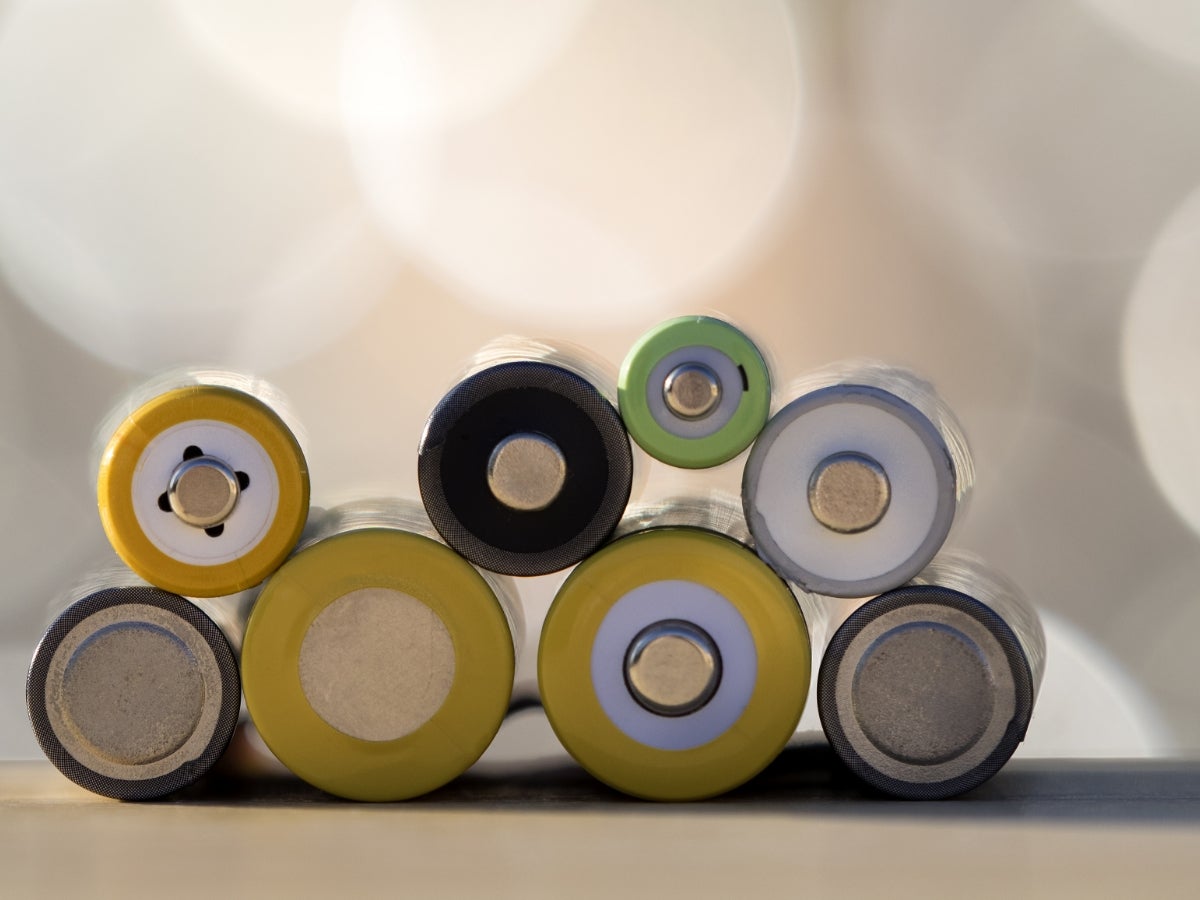
Australia - NSW EPA Published Product Lifecycle Responsibility Regulation on Regulated Batteries
On February 20, 2026, the New South Wales Environment Protection Authority (NSW EPA) published the Product Lifecycle Responsibility Regulation 2026 under the Product Lifecycle Responsibility Act 2025. This Regulation sets product stewardship requirements for commonly used and discarded batteries.
The Regulation establishes principles of a circular economy wherein regulated batteries are recovered, recycled and reused as much as possible in order to prevent disposal in landfills. It sets schemes for brand owners and product stewardship organizations (PSOs) that wish to place regulated batteries in the NSW market.
Obligations of brand owners
Brand owners must keep records and submit an annual report of the following:
- Consumer education efforts
- Total number and weight of batteries supplied
- Total number and weight of batteries supplied per chemistry type (lithium-ion, nickel-cadmium, nickel-metal hydride)
Brand owners that supply <24kg of regulated batteries annually are exempt from product stewardship requirements (Section 10) and obligations such as record-keeping and reporting.
Obligations of Product Stewardship Organizations (PSOs)
PSOs must keep records and submit a report of the following:
Annually:
- Consumer education efforts
- Total number and weight of batteries supplied per brand owner
- Total number and weight of batteries supplied per chemistry type (lithium-ion, nickel-cadmium, nickel-metal hydride) per brand owner
- Plans for recovery and reuse of materials from relevant regulated batteries
Quarterly:
- Any material change that may affect compliance
- Details of all battery fires at collection points
- Revenue and expenditure information
Brand owners and PSOs must comply with the general and safety requirements set out in Schedule 1 of this regulation. This includes maximizing the number of batteries recovered, recycled and reused. Producers must also confirm that reasonable steps are taken to ensure that regulated batteries and recovered or disposed in a safe way. There must be sufficient collection points in both metro and regional areas that display which types of regulated batteries are collected.
This regulation is set to enter into force on October 1, 2026, or on the same day of enforcement as the Product Lifecycle Responsibility Act 2025.
Source:
https://legislation.nsw.gov.au/view/pdf/asmade/sl-2026-47
China MIIT Updated Management of Radio Transmitting Equipment Regulations
On February 27, 2026, the Ministry of Industry and Information Technology (MIIT) released Order No. 57 for updating “Regulations on the Management of Radio Transmitting Equipment”, which took effect on July 1, 2023.
This update is for aligning with the new marking requirements based on MIIT Notification No. 47 of 2023 "Notice of the General Office of the Ministry of Industry and Information Technology on Revision of the Type Approval Certificate (SRRC Certificate) Template and Code Rules of CMIIT ID for Radio Transmission Equipment", which was issued on August 31, 2023. MIIT also included these new requirements in the regulation.
- Article 15 The type approval code shall be marked on the radio transmitting equipment or displayed in electronic form. If it is truly impossible to mark or display the model approval code due to reasons such as the equipment being too small in size, it should be marked on the independent outer packaging of the equipment or in the user manual.
- The national radio regulatory authority formulates and issues the coding rules for the type approval codes of radio transmitting equipment. The applicant may independently compile the type approval code in accordance with the coding rules, but the radio transmitting equipment shall not be sold or used in China before obtaining type approval.
For the other articles, there are no significant changes. The enterprise can focus on the key articles which were related to the validity, extension and changes for the certificate:
- Article 9 The validity period of a type approval certificate shall not be less than two years and not more than five years, unless otherwise required due to adjustments in radio frequency planning or frequency usage license periods.
- Article 12 Where the validity period of a type approval certificate needs to be extended upon expiration, an application for extension shall be submitted to the national radio regulatory authority 30 days before the expiration date.
- The national radio regulatory authority shall conduct a review in accordance with these regulations and make a decision on whether to grant an extension before the expiration of the validity period. If the renewal is approved, the original type approval certificate shall be retrieved and a new type approval certificate shall be issued. The type approval code shall remain unchanged. If the extension is not granted, the applicant shall be informed in writing along with the reasons.
- The validity period of each renewal of the type approval certificate shall not exceed five years.
- Article 13 Where a type approval certificate needs to be changed, an application for change shall be submitted to the national radio management authority in accordance with relevant regulations. Where the relevant regulations are met, the national radio regulatory authority shall handle the change procedures in accordance with the law.
Source:
https://www.miit.gov.cn/jgsj/wgj/bmgz/art/2023/art_c504af4beeb944fba57e618140959213.html
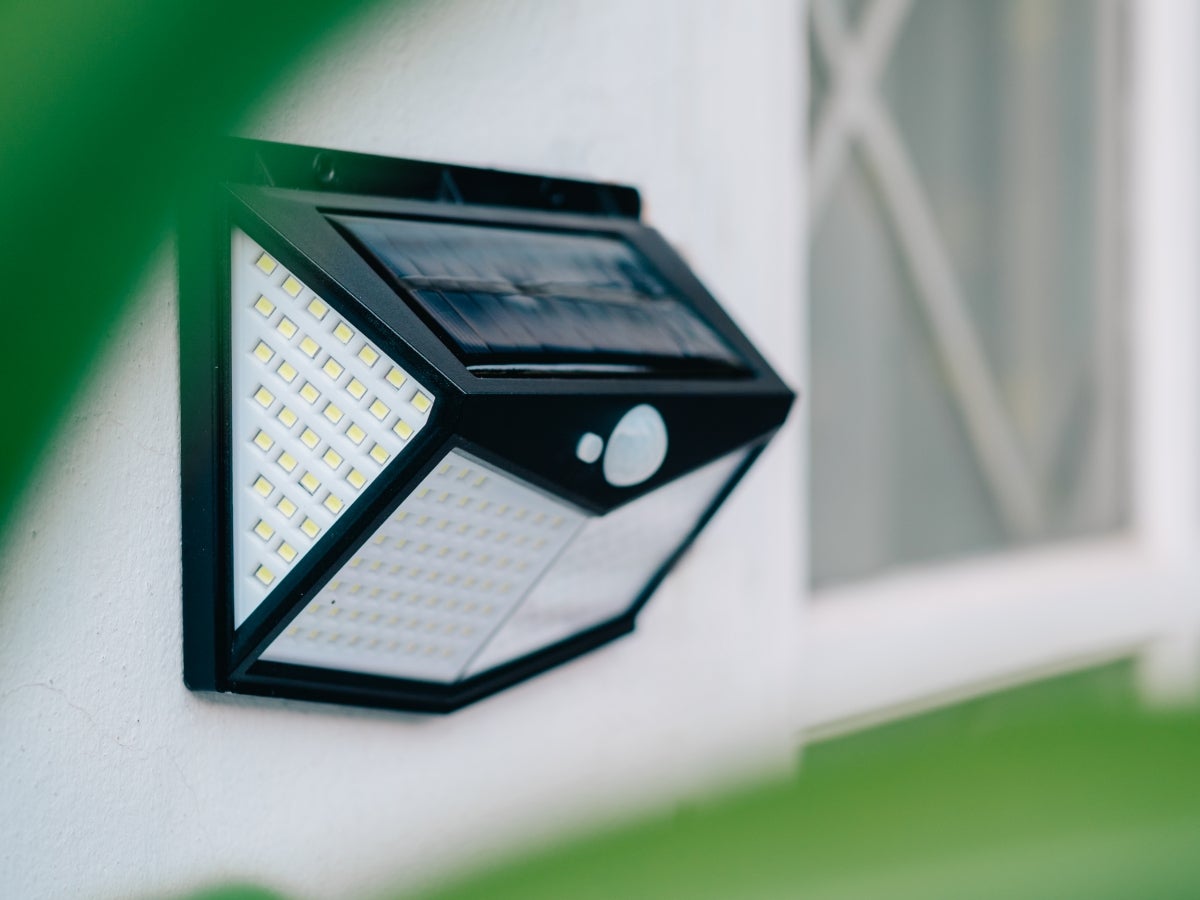
El Salvador OSARTEC Repealed Energy Efficiency Specifications for Luminaires
On February 17, 2026, El Salvador’s General Directorate of Energy, Hydrocarbons and Mines (DGEHM) published Agreement No. 11/2026 in the Official Gazette repealing Salvadoran Technical Regulation (RTS) 29.02.01:21, Energy Efficiency Specifications for Luminaires and its 2023 amendment.
Products covered by the repealed energy efficiency regulation:
LED Lamps and LUMINAIRES
- Lamps for general lighting
- Indoor luminaires
- Luminaires for exteriors and for public lighting
- LED modules
Applies to all lamps for general lighting, indoor LED luminaires, LED luminaires for exteriors and for public lighting, in electrical voltages of power supply from 100 V to 480 V c. a. at 60 Hz, which are manufactured or imported to be marketed within the national territory. It also applies to LED modules.
Starting from February 17, 2026, products covered by the regulation do not require an energy efficiency certificate.
New EU Rules on Disclosing Unsold Consumer Products
On February 10, 2026, the European Commission adopted Commission Implementing Regulation (EU) 2026/2, which lays down rules for implementing Regulation (EU) 2024/1781 (Ecodesign for Sustainable Product Regulation) on the disclosure of information about discarded unsold consumer products.
The new measures establish a harmonized framework across the EU, defining what information must be disclosed, how it should be presented, and where it must be published.
This Implementing Regulation marks an important milestone in the EU’s sustainability and circular economy agenda. Its overarching objective is to discourage the destruction of unsold consumer products, encourage reuse and recycling and create reliable, comparable data on waste practices across member states and economic sectors.
Under the new rules, economic operators must systematically disclose:
- Number and weight of discarded units
- Reasons for discarding
- Waste treatment operations applied (including % of weight that went to preparing for reuse, recycling, other recovery, disposal, unknown treatment and total destruction)
- Disclosure of any applicable derogations
- Measures taken during the reporting year to prevent destruction
- Measures planned to prevent destruction in future years
To ensure consistency, the Regulation introduces a standardized tabular disclosure format set out in Annex I. Disclosures must be made annually, within 12 months of the end of the relevant financial year and published on an easily accessible webpage on the operator’s website. Where applicable, operators may instead provide a direct link to their sustainability report prepared under Directive 2013/34/EU.
Scope and product classification
The reporting obligation applies to unsold consumer products discarded during each financial year and classified according to the Combined Nomenclature (CN). In most cases, disclosure is required at the two-digit CN level, while specific product categories listed in Annex II must be reported at the four-digit CN level. Components, intermediate products and non-consumer products are explicitly excluded.
Disclosure obligation:
- Large enterprises must comply immediately once the Regulation applies.
- Medium-sized enterprises will be subject to the obligation from July 19, 2030.
- Micro and small enterprises are exempt.
All obligated operators must retain supporting documentation such as statements from waste treatment operators for five years.
Implementation and next steps
The Implementing Regulation enters into force on March 2, 2026 and will apply from March 2, 2027. It is binding in its entirety and directly applicable across all EU Member States.
Compliance will be monitored by competent national authorities, which will assess both adherence to the prescribed format and the accuracy of the reported data. The Regulation also mandates a European Commission review by March 2, 2031, focusing on the disclosure format, the scope of product categories, and verification arrangements.
Source:
Implementing regulation - EU - 2026/2 - EN - EUR-Lex
Jordan NCSC Released the 2026 Licensing the Sale of Cyber Security Products Instructions
On March 25, 2026, the National Cybersecurity Center (NCSC) issued new licensing instructions regulating the sale of cybersecurity products for 2026. The instructions establish clear requirements for companies involved in selling, supplying or providing technical support and maintenance for cybersecurity products.
The instructions were published in the Official Gazette on March 26, 2026, and came into force on the same day.
The Licensing Instructions for the Sale of Cybersecurity Products for the Year 2026 apply to the following entities:
- Any entity selling cybersecurity products inside the Kingdom.
- Cybersecurity products approved by the National Cybersecurity Center and listed on its official website.
- Related activities such as product supply, technical support, and maintenance.
Source:
https://ammanchamber.org.jo/wsimages/1178.pdf
Kenya Published Artificial Intelligence Bill 2026
On February 19, 2026, the Senate of Kenya published Senate Bill No. 4, The Artificial Intelligence Bill, 2026, through the Kenya Gazette Supplement. The Bill proposes a national legal framework for regulating artificial intelligence, establishes the Office of the Artificial Intelligence Commissioner and sets risk-based obligations for AI systems.
The Bill aims to regulate the development, deployment and use of artificial intelligence in Kenya, with a focus on accountability, transparency and protection of rights. It establishes a dedicated regulator and introduces compliance obligations tied to AI risk levels.
Key provisions of the Bill include:
- Establishment of the Office of the Artificial Intelligence Commissioner to oversee AI governance, risk assessments, and compliance.
- Creation of an Advisory Committee on Artificial Intelligence for guidance on emerging AI trends, risks, ethical standards, stakeholder engagement, research and workforce reskilling.
- Governance of AI:
- AI Classification - AI systems categorized by risk —unacceptable, high, limited, minimal. Unacceptable-risk systems are prohibited; criteria are periodically updated.
- High-risk AI obligations - Providers/deployers must conduct risk and human rights assessments, implement mitigation measures, maintain records for 5 years, comply with Data Protection Act, and label AI-generated content.
- Register of high-risk AI - Maintained by the Commissioner, including county-level systems.
- Transparency and safeguards - Disclosure of system purpose, limitations, decision-making process, bias mitigation, and rights of affected users. Annual compliance reports for high-risk AI.
- Regulatory sandboxes - Controlled AI testing environments with ethics, data protection, and national priority alignment.
- Ethical guidelines - Address bias, discrimination, privacy, human oversight, environmental sustainability, equitable access, and safe use of AI-generated content.
- AI literacy - Public education programs at national and county levels on AI risks, benefits, and ethical use.
- Human-centric AI - AI systems must enhance human capabilities, support human involvement, and allow oversight in critical decisions.
- Workforce impact - Assessments for potential job displacement and reskilling programs in collaboration with national and county agencies.
- Public sector use - Public entities must comply with the Act when deploying AI systems.
- Criminal offences and administrative penalties for non-compliance.
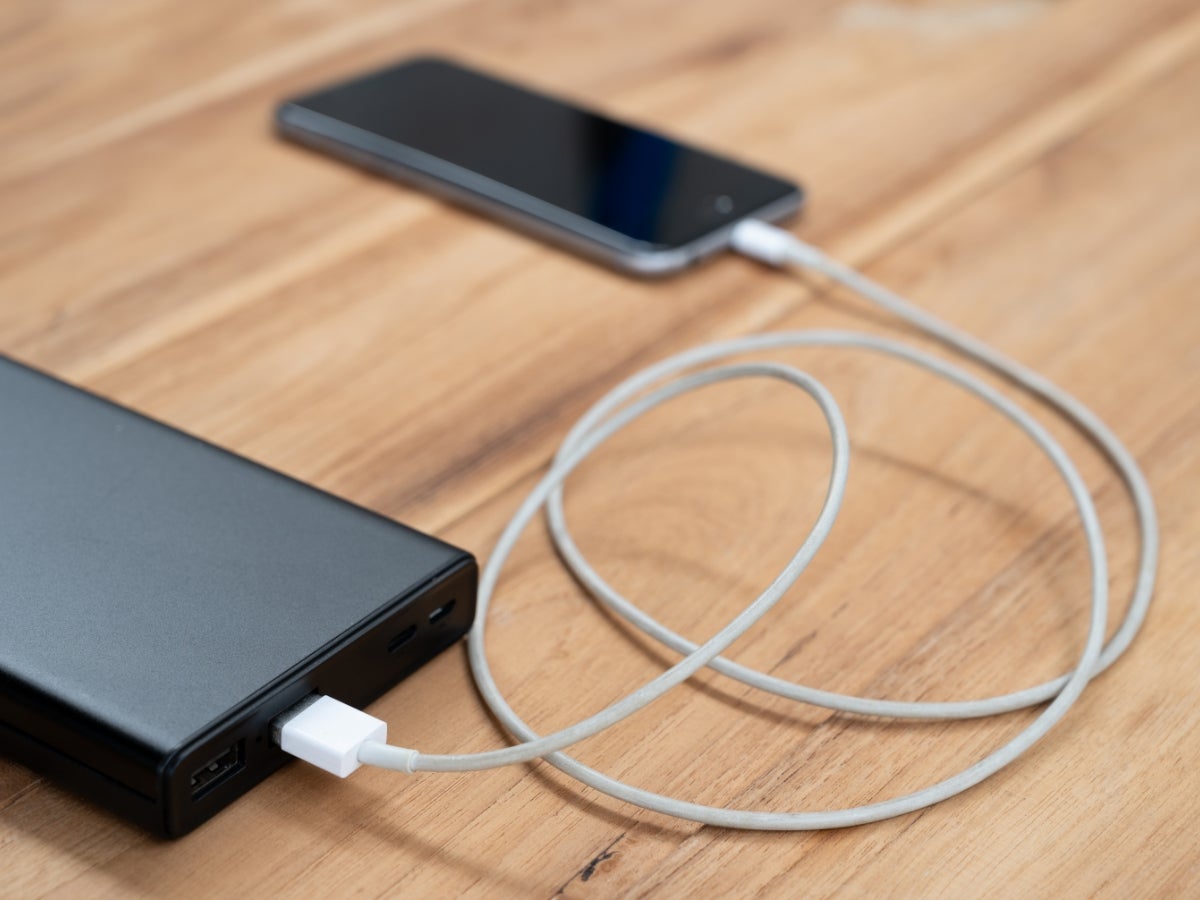
Saudi Arabia Sets Final Deadline for USB Type‑C Charging Port Compliance
The Saudi Standards, Metrology and Quality Organization (SASO) has confirmed a final extension to the implementation timeline for the mandatory unification of charging ports (USB Type‑C) for a wide range of electronic devices. On March 12, 2026, SASO informed stakeholders that the grace period — originally ending on 1 January 2026 — has been extended to May 1, 2026 to allow final alignment with standards SASO IEC 62680‑1‑2:2023 and SASO IEC 62680‑1‑3:2023.
The requirement applies to multiple product categories, including mobile phones, tablets, digital cameras, e‑readers, portable gaming devices, audio accessories, keyboards, mice, portable navigation systems, portable speakers and wireless routers.
SASO has emphasized that this extension represents the last allowable transition period. After May 1, 2026, Certificates of Conformity (CoCs) will not be issued for non‑compliant products.
Manufacturers placing products on the Saudi market must ensure full alignment of product specifications and certifications with the applicable charging port standards, as these requirements are now strictly enforced.
Singapore SCDF Published Circular on Guidelines for Use of Flammable Refrigerants in RAC Equipment
On March 13, 2026, the Singapore Civil Defence Force (SCDF) published Circular No. CD/05/03/01 Guidelines on the Use of Flammable Refrigerants in Singapore.
This document consolidates and updates fire safety requirements for the use of flammable refrigerants in refrigeration and air-conditioning (RAC) equipment in Singapore, outlining safety controls, allowable refrigerants, technical standards, labeling rules, and compliance obligations for manufacturers, suppliers, service personnel and users.
Technical standards and certification
- Equipment must be designed, tested, and certified to the latest applicable standards such as:
- IEC 60335-2-40
- IEC 60335-2-89
- ISO 5149-1
- UL 60335-2-40
- Test certificates must be issued by laboratories accredited or recognized by ILAC-MRA or IECEE.
- A Declaration of Conformity must be submitted to SCDF for in-principle approval before sale (for equipment listed in Annex A).
Advisory label requirements
- Labels for users
- The label must be printed and attached as a label or sticker on the front of the equipment displayed at retail premises.
- Alternative locations on the equipment may be considered, provided that the labels remain clearly visible to the user after installation.
- The label shall comply with the design specifications outlined in Appendix B3.
- Labels for service personnel
- The label that indicates the flammability risks must be permanently affixed near the access area.
- The label shall be accompanied with a triangular warning sign in accordance with the latest applicable ISO standards (e.g., ISO 7010) for flammable material warning labels.
- The label shall be accompanied by cautionary statements concerning the associated flammability risks, safe handling, servicing and disposal of the system.
- The label shall comply with the design specifications outlined in Appendix B3.
Safety control measures
Manufacturers and suppliers shall:
- Comply with all transport, storage and licensing requirements for flammable materials.
- Ensure service personnel are properly trained and competent, through manufacturer training, accredited WSQ courses, and MOE-registered institutions (e.g. ITE).
- Educate users on flammability risks and safe usage practices.
- Provide equipment safety instruction manuals and recommended maintenance regimes.
- Offer support for installation, maintenance and decommissioning.
In summary, the guideline establishes a comprehensive safety framework to allow the controlled use of flammable refrigerants in Singapore, balancing environmental benefits with fire and operational safety. Compliance hinges on proper equipment certification, clear labeling, competent servicing and informed users.
This circular shall take immediate effect and supersedes the relevant circulars stated in Table 1.
Source:
https://www.scdf.gov.sg/fire-safety-services-listing/downloads/acts-codes-and-regulations
https://www.scdf.gov.sg/docs/default-source/fire-safety-docs/downloads/circulars/use-of-flammable-refrigerants-in-singapore.zip (direct download link)
Uzbekistan Released Cybersecurity Strategy for 2026-2030
On March 10, 2026, the President of the Republic of Uzbekistan released Decree No. PF-38 On Establishing the Cybersecurity Strategy of the Republic of Uzbekistan and Improving the Cybercrime Prevention System, which took effect on the same date.
The strategy sets out below main goals and tasks, aiming to prevent cybercrime, improve cyber resilience and strengthen cybersecurity culture among citizens, state agencies and organizations.
- Protect information systems of state agencies and organizations, as well as critical information infrastructure systems from cyber threats
- Enhance cyber resilience
- Ensure stable operation
- Strengthen oversight of the strict observance of cybersecurity requirements
- Develop technical framework for ensuring cybersecurity
- Enhance international cooperation
The following are considered priority directions for implementing the strategy:
- Improve cybersecurity regulations, standards and enforcement
- Build a national system for monitoring and responding to cyber incidents
- Strengthen law enforcement
- Expand public–private partnerships in cybersecurity
- Secure financial and digital government systems
- Raise cyber literacy, professional skills and public awareness.
The expected outcomes by 2030 are as follows:
- Stronger digital sovereignty and economic security
- Stable operation of information systems and critical information infrastructure systems
- Lower cybercrime rates and higher detection effectiveness
- Increased public trust in digital services
- An increase in the proportion of domestically produced information and communication products that incorporate information protection tools
- Growth of domestic cybersecurity technologies and research
- Higher cyber literacy across society
- Greater accountability of state agencies and organizations with regard to compliance with cybersecurity requirements
Source:
https://lex.uz/uz/docs/-8079286
Vietnam MOST Published Circular Promulgating the National AI Ethics Framework
On March 10, 2026, the Ministry of Science and Technology (MOST) of Vietnam published the Circular No. 05/2026/TT-BKHCN Promulgating the National Artificial Intelligence Ethics Framework, which took effect on the same date.
The framework establishes criteria for ethical AI use in Vietnam. It sets out core ethical principles and includes annexed self‑assessment guidance.
The National Artificial Intelligence Ethics Framework was developed to ensure below four core ethical principles:
- Safety, reliability and no harm to human life
- Human rights, fairness and transparency
- Promoting happiness, prosperity and sustainable development
- Innovation and social responsibility
The framework also sets out the responsibilities of the MOST, including the issuance of guidelines on governance and compliance assessment, the updating of this framework and the development and operation of a digital platform to support self-assessment.
Stay current, stay informed and stay ahead
Don’t miss the essential updates that could shape your business’s future. Subscribe now and empower your team with the insights needed to thrive in a competitive global marketplace.




X
Stay informed
Actionable insights on the topics you choose, delivered directly to your inbox.
Please wait…
Characters remaining