

AI-enabled robotics and automation are stepping out of controlled settings and into the real world, where machines work shoulder to shoulder with people. That leap raises the stakes for safety, governance and compliance. Automotive has already crossed this terrain, and its hard-won lessons light the path for what comes next.
NVIDIA Halos for Robotics shows how safety approaches developed for autonomous vehicles can extend into physical AI. Built on autonomous vehicle safety architectures, Halos provides a framework for evaluating intelligent humanoids and industrial robots as they operate around people, equipment and changing environments. As robotics and automation move into more dynamic settings, independent assurance, certification and advisory services can help organizations apply that safety thinking to real-world deployment.
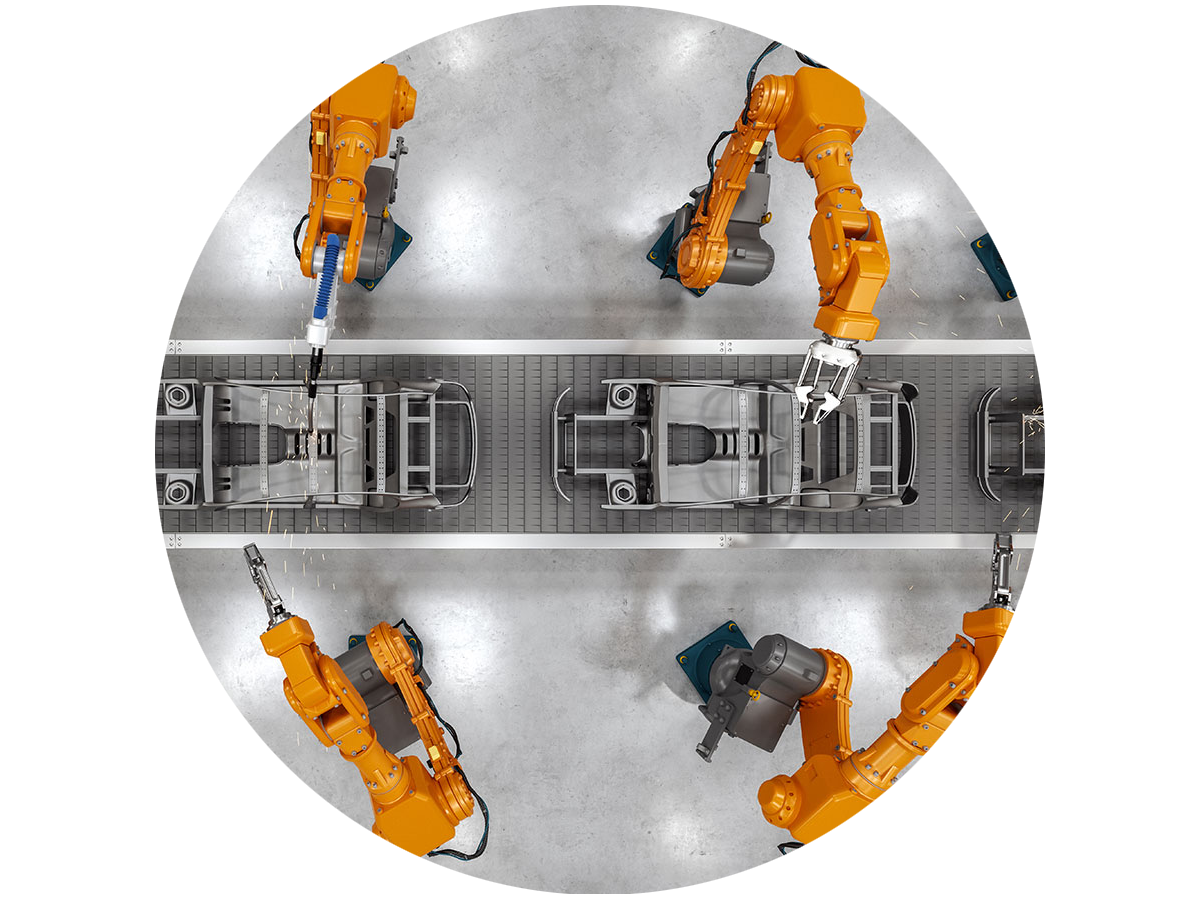
Robotics: Extending safety beyond the factory floor
The upside of robotics and automation is tangible: faster workflows, smarter material handling, more consistent quality, less downtime and reduction of risk and human error in repetitive tasks.
But as the field expands into humanoids, autonomous forklifts and industrial manipulators, it rewrites the safety model. Traditional automation was engineered around predictable motion inside controlled zones. Today’s systems introduce risks older playbooks never anticipated: sensor limitations, unpredictable movement, software reliability, cybersecurity exposure and human-robot interaction. Managing them requires structured evaluation across design, training, testing, monitoring and life cycle governance.
For robotics developers, the road from prototype to deployment runs on evidence that systems can operate safely when conditions are anything but predictable.
Key focus areas include:
AI product safety
Applying UL 3115 to AI-driven robotic systems to evaluate safety, governance and responsible deployment.

Functional safety and cybersecurity
Assessing collaborative robots and industrial automation against expectations such as IEC 61508 SIL 2 and ISO 13849 PL d.

Certification readiness
Surfacing gaps before formal third-party review — including readiness for the NVIDIA Halos AI Systems Inspection Lab.
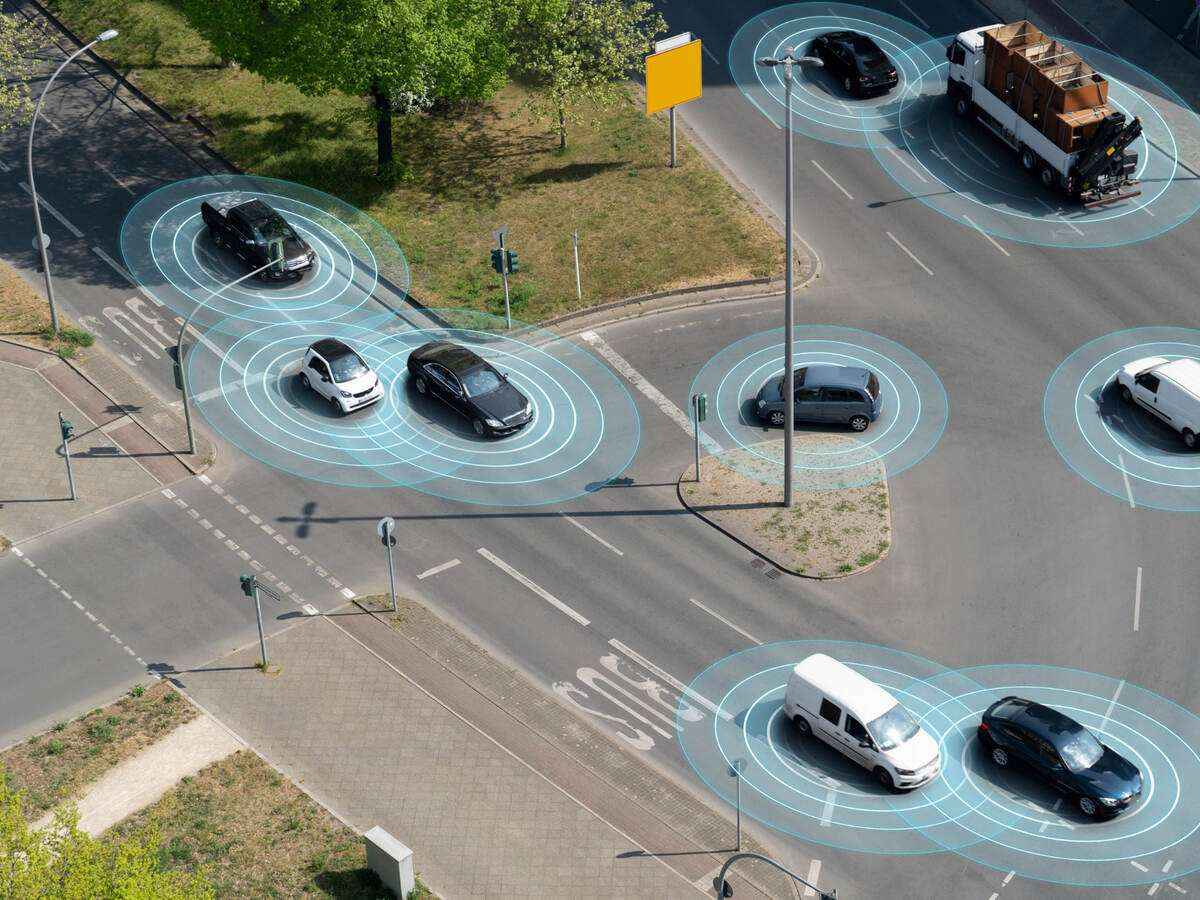
Automotive: The proving ground for AI safety
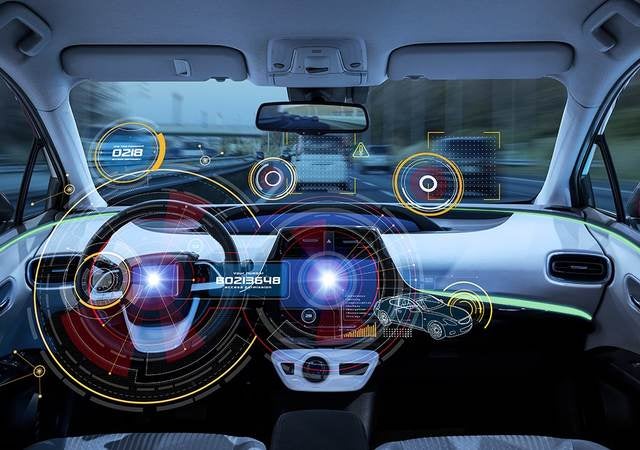
Automotive met these challenges first and at full scale. Few environments push intelligent systems harder: high speeds, unpredictable conditions, split-second decisions, constant human interaction and a relentless stream of software updates. No industry has had to grapple with the full complexity of AI-enabled autonomy so early, or so publicly.
The disciplines forged for autonomous vehicles — structured hazard analysis, safety cases, scenario-based testing, functional safety, cybersecurity evaluation and life cycle governance — give organizations a proven way to assess AI-enabled systems before they go live on the warehouse or factory floor.
For automotive developers, moving from advanced capability to real-world deployment demands evidence that systems are robust, reliable, transparent and accountable.
Key focus areas include:
AI product safety
Evaluating AI-enabled automotive systems against UL 3115, the industry’s first horizontal AI product safety certification, across technical, ethical and governance considerations. UL 3115 aligns with global references such as the EU AI Act, ISO/IEC 42001 and NIST AI RMF — a shared language for evidencing robustness, reliability, transparency and accountability.

Autonomous product safety cases
Applying UL 4600, the Standard for Safety for the Evaluation of Autonomous Products, to build comprehensive safety cases for autonomous vehicles — including Level 4 and 5 systems, machine learning and non-deterministic algorithms. It supports both certification and self-assessment by making safety arguments more structured, complete and assessor-friendly.

AI-specific automotive safety
Using ISO/PAS 8800 to address AI-specific risks, safety-related properties and assurance claims for in-vehicle AI. It complements ISO 26262 and ISO 21448, connecting functional safety, SOTIF and AI guidance in one holistic framework.
Standards are the foundation, but deployment readiness also rests on the systems, processes and people around them:

Risk assessment and certification planning
Evaluating AI-enabled vehicles and components against applicable safety, security and compliance expectations.

Life cycle governance
Applying gap analysis, process capability frameworks and lifecycle management — including Automotive SPICE — to sustain oversight over time.

Regulatory readiness
Preparing for the EU AI Act, GDPR, NHTSA, UNECE and other relevant frameworks.

Personnel competency
Building functional safety, cybersecurity and autonomous systems expertise through targeted training and personnel certification.
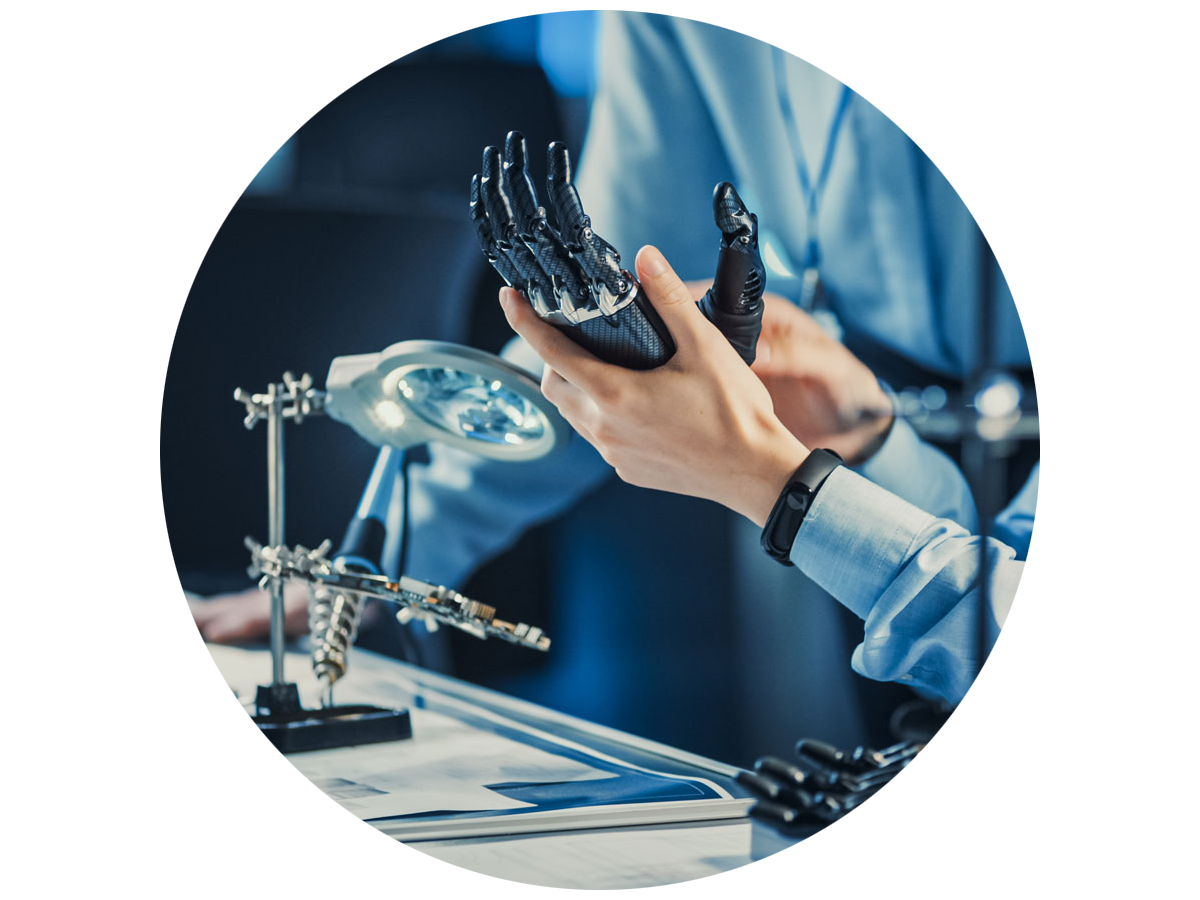
Explore what’s next in robotics
The next phase of AI won’t be won by capability alone. It will be won by the organizations that can prove — clearly and on demand — that their systems are designed, evaluated and governed for the real world. Technical performance is simply the price of entry; evidence is what earns trust.
NVIDIA Halos empowers companies with a common safety architecture for building, validating and deploying physical AI systems, along with an ecosystem of companies like UL Solutions who can help innovative companies accelerate the development of trustworthy physical AI systems from design to deployment.
To learn more, connect with UL Solutions about AI safety evaluation pathways for automotive, robotics and automation systems. And explore UL Solutions resources on UL 3115, the UL LLC Outline of Investigation for Safety of AI-Based Products; UL 4600, the Standard for Safety for the Evaluation of Autonomous Products; and robotics safety to better understand the evidence, evaluation pathways and readiness considerations shaping AI-enabled systems.


X
Questions?
We have answers – contact us.
Please wait…
Characters remaining