
When it comes to retail recalls, rehabilitating consumer trust can be a challenge — but it doesn’t compare to what manufacturers and brand owners need to do to rebuild reputation with retailers. From cause identification through preventative action plans, UL Solutions can help you correct and rebuild trust through decisive, data-backed action.
What happened? Showing proof of change to wary retailers
When brand owners and manufacturers come to the table with real answers to what caused the recall, that’s the first step toward building back trust lost with the retailer.
Root cause analysis gets to the core of what caused the issue, whether it’s due to product or process flaws. Here’s the process for identifying root causes:
- Defining the failure — Understand what happened, when, and what the impact to quality, safety and consumer perception was.
- Collect evidence — Review product records, inspection reports, maintenance logs, and consumer-reported metrics like star ratings and reviews.
- Identify possible causes — Analyze a wide range of factors, including methods, machines, material and human power. It might come down to a handful of new employees making an error, or something fundamentally flawed in the product design. Don’t be afraid to look everywhere.
- Identify and validate the cause — Use facts and data to distinguish between what is a symptom versus a true root cause.
- Develop a corrective action plan — This is an extremely common ask from retailers, so it’s best to come into those meetings prepared with a comprehensive report. Keep reading to learn more.
Root cause analysis is your opportunity to dive deep and challenge your perceptions and really understand what happened, whether the cause was due to supplier change control process, incoming inspection detection failure, or other difficult-to-detect causes.
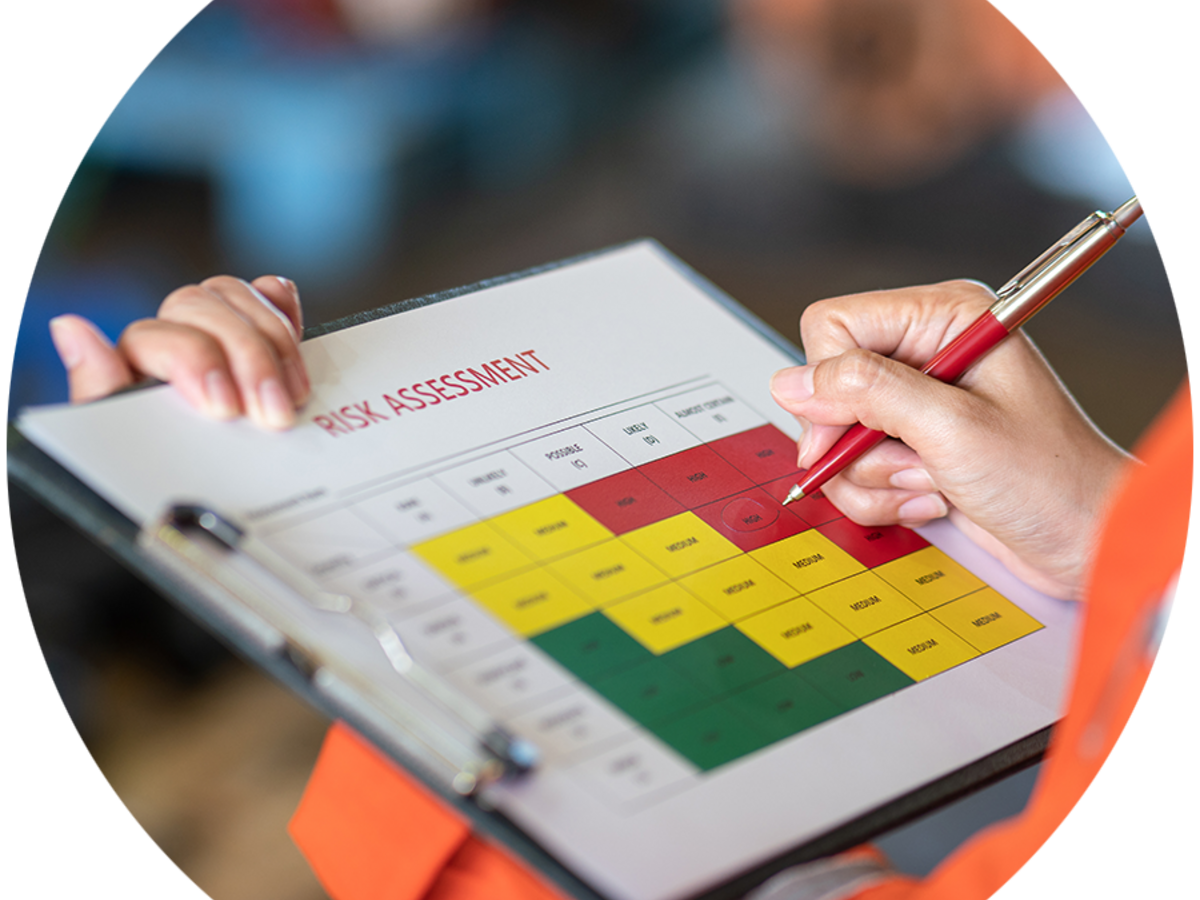
Implementing an appropriate corrective and preventative action plan
Often, manufacturers and brand owners make assumptions regarding what caused quality issues that led to the recall. When manufacturers explore fully what caused a recall, it’s a signal that they value and prioritize meaningful change. The most effective corrective action and prevention plans, or CAPAs, address two areas: what caused the failure and what the solution is, or, both correction and prevention.
Creating a strong CAPA:
- Clear problem statement — A shared agreement about your core challenge should guide CAPA development. It should include the impact to customers, quality, compliance and operations, as well as the scope of affected products, materials or components.
- Root cause documentation — Strong plans should include a combination of methodologies and tools including fishbone diagrams, failure mode and effects analysis (FMEA) for design or process, design of experiment validations, eight disciplines (8D), teardown analysis, pareto analysis, and more.
- Protecting consumers and limiting organizational risk —Detail your plan for containment of goods that may be impacted. Actions can include cancelling shipments that were ready to go, a stop sale or a withdrawal, which is a type of limited recall based on quality attributes, or a full recall.
- Preventing further issues — Look beyond this specific failure and put the whole system on trial. You may need to end up changing other aspects of your sourcing, manufacturing or inspection processes, or even refining or redesigning a product.
- Establish ownership — Put a point person or team in place who is accountable for making the changes and give them the resources they need. Outline an escalation path when deadlines are missed.
- Measure impact of the change — At a factory or manufacturing level, analyze metrics like defective return rates, audit results, customer complaints and supplier performance improvement. Validate that data frequently.
- Update standard operating procedures — Document everything, not only procedures but work constructions and control plans and make sure to communicate the changes clearly to employees. Consider adding or retooling your training. Not only is documentation necessary for you as a manufacturer, it’s critical for restoring retailer trust.
Lean on third-party support and credibility to improve post-recall recovery
A recall immediately results in broken trust not only between a retailer and the manufacturer responsible, but also between manufacturers and suppliers. It represents chaos in the system that somehow evaded product testing, inspections and your own internal processes. Suppliers may offer data for use in a CAPA, but unless that data is validated by a third-party, don’t trust it — especially when you’ve had repeat issues with a certain supplier. Bring in an independent third-party service providers for auditing support to pinpoint accurate data that protects consumer safety. Not only does it show the supplier that you’re serious about transparency and transformation, it reassures your retail partners that you’re investing in improvement.
Ongoing vigilance that connects with retailers
Continuous surveillance of product, both from a safety perspective as well as a performance perspective, is critical when products are cleared to return to retailer assortments. Your CAPA should monitor and analyze ratings and reviews, warranty claims, total return rates and social media content on a cadence of 30, 60 and 90 days. Annual audits performed by an independent third party provide significant reassurance for retailers that a manufacturer has fully institutionalized positive change.
After a recall, retailers will give extra scrutiny to a manufacturer’s supplier scorecards. Larger retailers, especially those with private brands, may even visit their global supplier networks more frequently, ask probing questions and monitor the review status. Retailers, brand owners and manufacturers may send local teams for surprise inspections of overseas suppliers. They provided some of the best insight as to whether those suppliers had actually made the changes cited in their reports.
When retailers are considering welcoming a product back into their assortment after a recall, product testing reliability or performance across the life cycle. Testing, including market surveillance, should also continue once products are back in a retailer's assortment.
Final thoughts on recall recovery
Everything comes down to transparency. Delaying disclosures or blaming consumers for product issues — which happens all too often — doesn’t look good to retailers.
- If you’re a manufacturer and need to quickly regain a retailer’s trust, you need to accept complete accountability.
- Next, perform a comprehensive analysis to get down to the root causes of the recall.
- Implement a CAPA that solves and prevents further issues, featuring robust and ongoing supplier audits, product testing and performance verification from trusted third-party providers.
Recalls are regrettable, but how you show up will ultimately be the determining factor of whether or not your product returns to a retailer’s shelves.



Need support during or after a recall?
Our team of experts can help you with global supplier audits and supply chain selection to boost product quality, with insights on what retailers are looking for.