Why liquid cooling changes component requirements
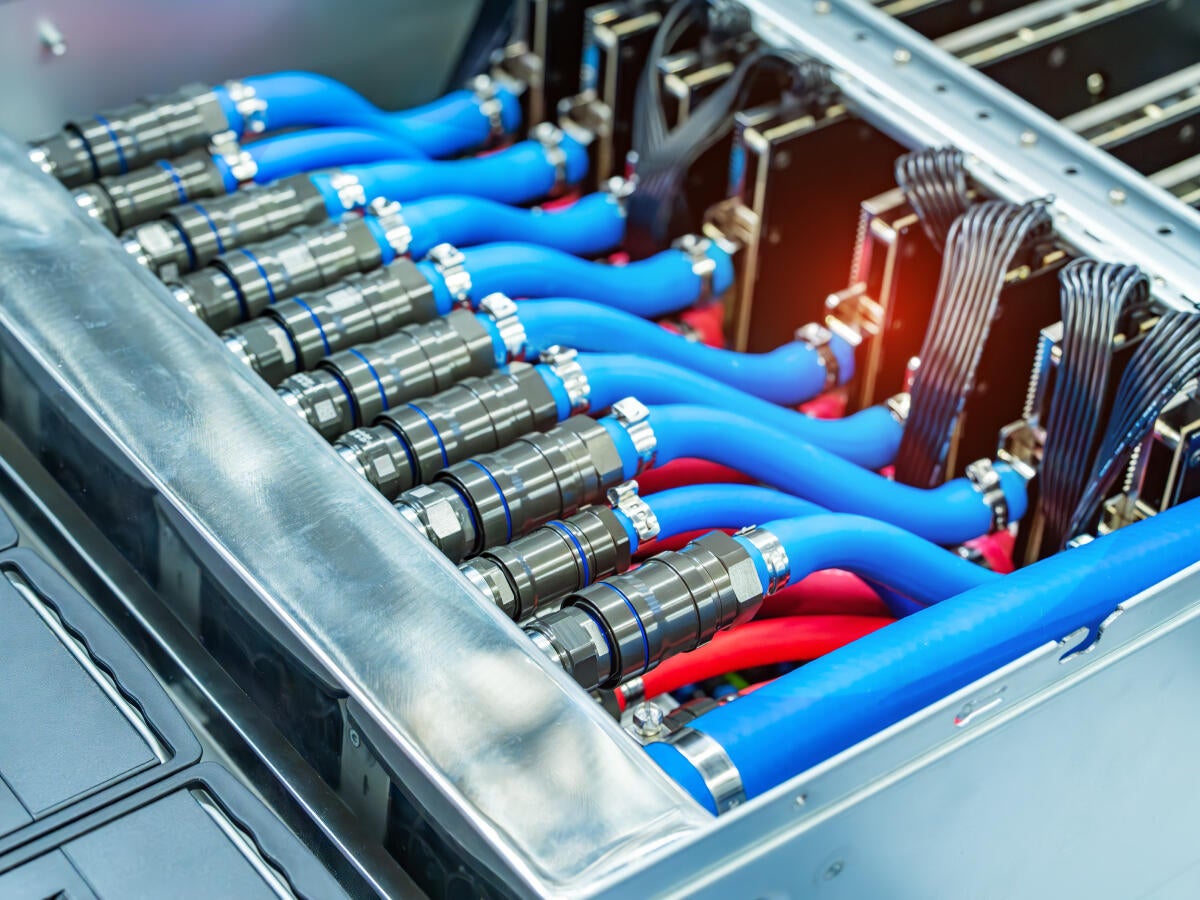
Artificial intelligence (AI) and high-performance computing workloads are increasing server heat density in data centers. As organizations look for ways to manage higher thermal loads, interest in direct-to-chip (D2C) liquid cooling systems continues to grow. Within these systems, hoses and tubing play an important role in moving coolant where pressure, temperature, fluid exposure and material performance are key design considerations.
To address these applications, UL Solutions developed UL 4303, Outline of Investigation (OOI) for Hoses and Tubing in Liquid Cooling Systems, that establishes safety and performance criteria for non-metallic hoses and tubing used in liquid cooling systems for electrical, electronic and information technology equipment.
UL 4303 provides component-level evaluation criteria that engineering teams can apply before system-level testing and certification activities begin. By focusing specifically on hoses and tubing used within coolant distribution systems, the OOI provides a structured framework for evaluating components in relation to their intended use.
What UL 4303 evaluates
UL 4303 evaluates hose and tubing performance across a range of safety and durability criteria, including:
- Mechanical properties, such as tensile strength, elongation and compression set
- Pressure performance, including working pressure, proof pressure and burst pressure
- Environmental durability, including heat aging and ozone resistance
- Fluid compatibility through exposure to coolant fluids
- Dimensional stability, including bend radius and deformation behavior
- Flammability through testing to UL 94, Standard for Tests for Flammability of Plastic Materials for Parts in Devices and Appliances
Together, these evaluations provide a structured approach to reviewing hose and tubing materials used in liquid cooling applications. The criteria support a common basis for assessment across suppliers, designs and development programs. Learn more about our combustion and fire testing for plastics capabilities.
UL 4303 and UL/IEC 62368-1
UL 4303 complements UL/IEC 62368-1, Audio/Video, Information and Communication Technology Equipment - Part 1: Safety Requirements by focusing on hose and tubing performance at the component level. While UL/IEC 62368-1 addresses system-level safety requirements, UL 4303 provides additional evaluation criteria for components used within coolant distribution systems.
This distinction gives engineering teams additional information about hose and tubing performance within liquid cooling applications while supporting broader product safety and certification planning. UL 4303 does not replace system-level evaluation. Instead, it provides evaluation criteria for examining component performance as part of the overall product development process.
Supporting component selection and design reviews
Engineering teams often evaluate multiple hose and tubing options while considering factors such as pressure performance, coolant compatibility, routing requirements, thermal exposure and fire performance. UL 4303 provides a common reference point for component selection, supplier review and design validation activities.
By evaluating materials against defined criteria, teams can use a consistent framework when reviewing technical data, documenting design decisions and preparing for subsequent stages of product evaluation. The framework also provides a common basis for discussions among engineering, reliability, compliance and procurement stakeholders throughout development.
Evaluate hoses and tubing for liquid cooling applications
As liquid cooling adoption continues to expand, manufacturers are evaluating components earlier in the product development process to better understand how they may perform within a complete system. UL 4303 provides evaluation criteria that can be applied during component selection and development before system-level testing begins.
Have questions about applying UL 4303 to your liquid cooling design? Contact our team to discuss evaluation criteria, scope and next steps. https://www.ul.com/contact-us
Get connected with our sales team
Thanks for your interest in our products and services. Let's collect some information so we can connect you with the right person.