

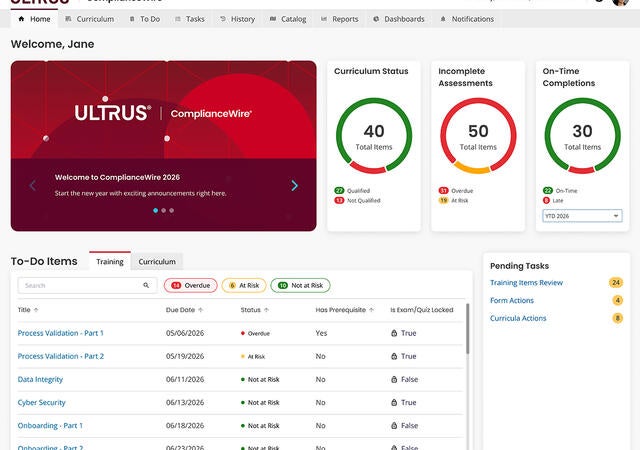








Only use this login to access MyHome, MyAgreements or ULiQ. Each option requires a different username and password.

North America
Europe
Denmark
France
Germany
Italy
Netherlands
Poland
Spain
Sweden
Switzerland
U.K.
Latin America
Asia Pacific
Argentina
Brazil
Mexico
Australia
India
Malaysia
New Zealand
Thailand
Hong Kong
Singapore
A study dedicated to exploring and better understanding the way people think and feel about the products they make or consume, the role this plays in shaping global trade and the impact this has on how products are conceived, constructed, sold and delivered.
more
UL is proud to share New Science, a powerful initiative showcasing important ways we are making our world safer through fundamental discovery, testing methodologies, software and standards across three initial areas.
more
Business Units
Industries

UL is a global independent safety science company offering expertise across five key strategic businesses.

We offer expertise across many industries to enable our customers to succeed in the global marketplace.

Catalog of Standards
Understanding Standards
Participate

Search for Standards and Outlines by keyword or filter by approvals or publish dates.

start searching

Learn how UL Standards function as a benchmark that enables consumers and businesses to feel confident about the products and services they purchase.

learn more

UL is always looking for industry, academic and end-user experts to help develop our consensus-based standards.

get involved

Share

Product safety tips

Clothes dryers

For many consumers, the clothes dryer has become an appliance of both convenience and necessity.

Facts

  • Clothes dryers can be found in 80 percent of homes throughout the United States.
  • A full load of wet clothes placed in a dryer contains about one half gallon of water. As water is removed, lint is created from the clothes.
  • Clothes dryers are one of the most expensive appliances in your home to operate. The longer the dryer runs, the more money it costs.
  • The U.S. Consumer Product Safety Commission (CPSC) estimates that 15,500 fires associated with clothes dryers occur annually. These fires account for an average of 10 deaths, 310 injuries and more than $84.4 million in property damage annually.
  • The number of clothes dryer fires has dropped by 35 percent from the average 24,000 fires that occurred annually in the late 1970s.

Possible causes of fires

What causes some clothes dryer fires? Lack of maintenance is a contributing factor. People are not cleaning lint traps as often as they should nor are they checking and cleaning vent systems on a periodic basis. Reduced airflow resulting from lint buildup in the screen or other areas around the dryer can cause the dryer to perform poorly, operate at elevated temperatures and possibly overheat.

Problems can also occur if consumers place improper items in their dryers, such as foam backed rugs or athletic shoes, or vent their appliances with plastic or vinyl exhaust materials.

A simple solution

Rigid or flexible metal venting and ducting materials help sustain airflow, as well as reduce operating costs and extend the life of the dryer and clothing from lower drying temperatures.

Important safety instructions

  • Clean the lint filter before or after each load. Do not forget to clean the back of the dryer where lint can be trapped.
  • The interior of the dryer and venting system should be cleaned periodically by qualified service personnel. If you notice the drying time is longer, clean the vent system thoroughly to ensure proper airflow.
  • Replace plastic or vinyl exhaust hoses with rigid or flexible metal venting.
  • Do not dry clothing or fabric upon which there is anything flammable (e.g. alcohol, cooking oils, gasoline, spot removers, dry-cleaning solvents). Flammable substances give off vapors that could ignite or explode.
  • Read manufacturers' warnings in use and care manuals that accompany new dryers. Also, make sure to read the warning markings that can usually be found on the inside of the dryer's lid.

How UL has helped reduce dryer fire risks

UL has worked with the Association of Home Appliance Manufacturers (AHAM) and the CPSC to reduce the number of clothes dryer fires. Changes have been made to UL 2158, the Standard for Safety of Electric Clothes Dryers, to include instructions to clean lint regularly from areas around the dryer and lint screen; routing wiring and keeping other electrical components away from heat-producing devices; and abnormal operations tests that simulate a blocked lint screen and exhaust at 25, 75 and 100 percent blockage.