UL 8801, Standard for Photovoltaic (PV) Luminaire Systems
191.34KB
Learn more about testing and certification options for photovoltaic lighting and ANSI/CAN/UL 8801, the Standard for Photovoltaic Luminaire Systems.
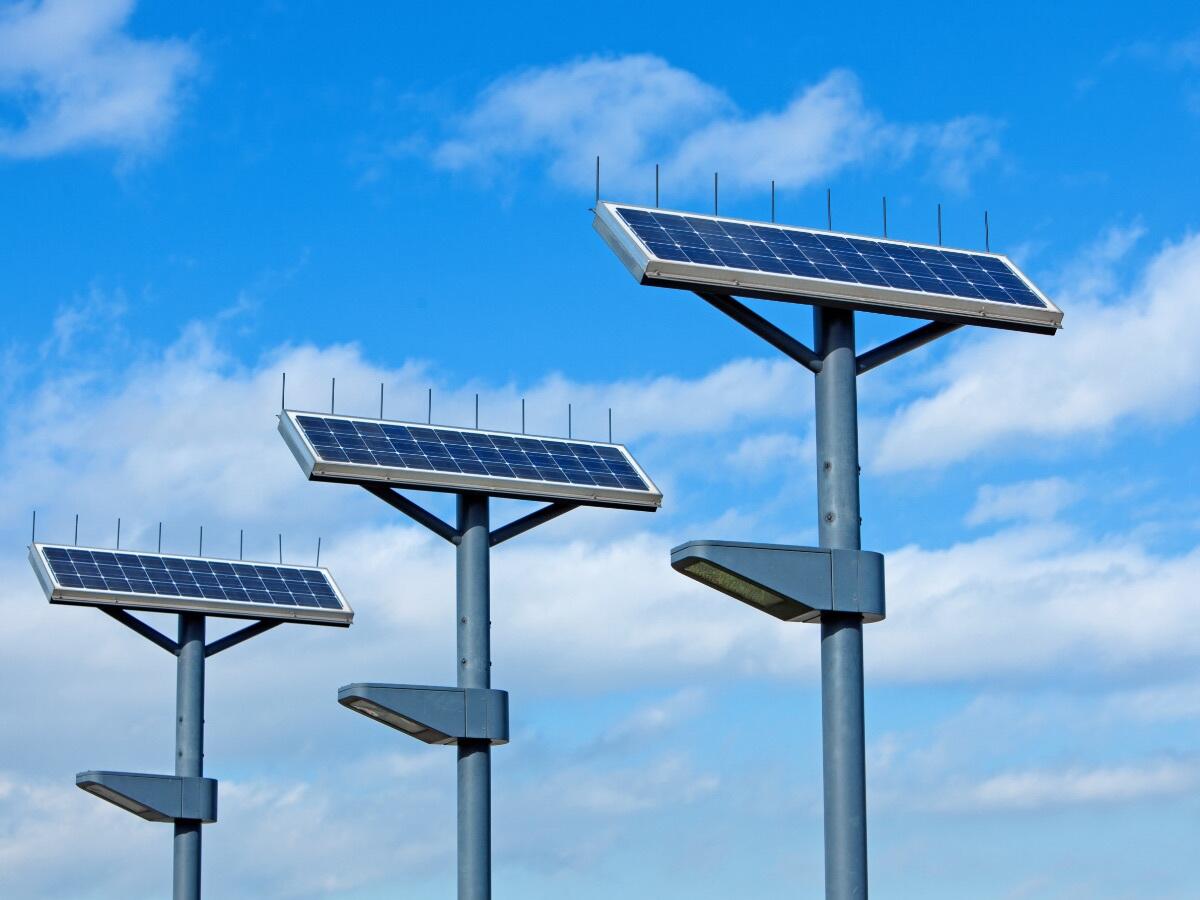
The growing availability of energy-efficient, mid-sized photovoltaic (PV) lighting options, combined with rising consumer interest, is driving a need for new benchmarks in safety, cost savings and ease of installation worldwide. As a vital component of rural, off-the-grid development, and as a way for urban utility grids to preserve capacity, PV and solar lighting systems have increased expectations for versatility, reliability and durability.
PV-powered luminaire systems are ideal for illuminating areas that lack a utility connection or reducing electrical use and cost in areas that have a connection. As a result, PV solutions hold great interest for manufacturers, property owners, utilities, municipalities and other stakeholders.
Common applications in residential, public spaces and infrastructure include:
Our principal engineer discusses lighting for sustainability.
We have capabilities and competencies for IEC, EN and regional/national standards and in the IECEE CB Scheme related to PV.in the IECEE CB Scheme related to PV.
In North America, ANSI/CAN/UL 8801, the Standard for Photovoltaic (PV) Luminaire Systems, was developed to provide the requirements for system-level certification and is based on the PV modules’ compliance with a subset of the requirements of IEC/UL 61730. The Standard addresses requirements for connecting a supplemental utility power source, with the battery system, controls and luminaires evaluated as integrated components at the system level.
As LEDs and solar panels become more affordable, manufacturers face increasing pressure to differentiate themselves in a crowded market. That’s why performance testing and energy efficiency claims are increasingly important, especially as demand rises for measurable sustainability goals.
UL Solutions is accredited to test lighting products under the following energy efficiency programs:
Additionally, UL Marketing Claim Verification helps PV product manufacturers demonstrate that their marketing and advertising claims are accurate, truthful and credible.
Thanks for your interest in our products and services. Let's collect some information so we can connect you with the right person.