


Leverage our global safety science expertise and testing, inspection, and compliance (TIC) services to achieve and demonstrate safety, quality, reliability and compliance with regulatory and environmental regulations.

Architecture, Engineering and Construction
Our testing, inspection and compliance (TIC) services for the architecture, engineering and construction industry help you plan and manage building and infrastructure projects that comply with safety and environmental regulations.
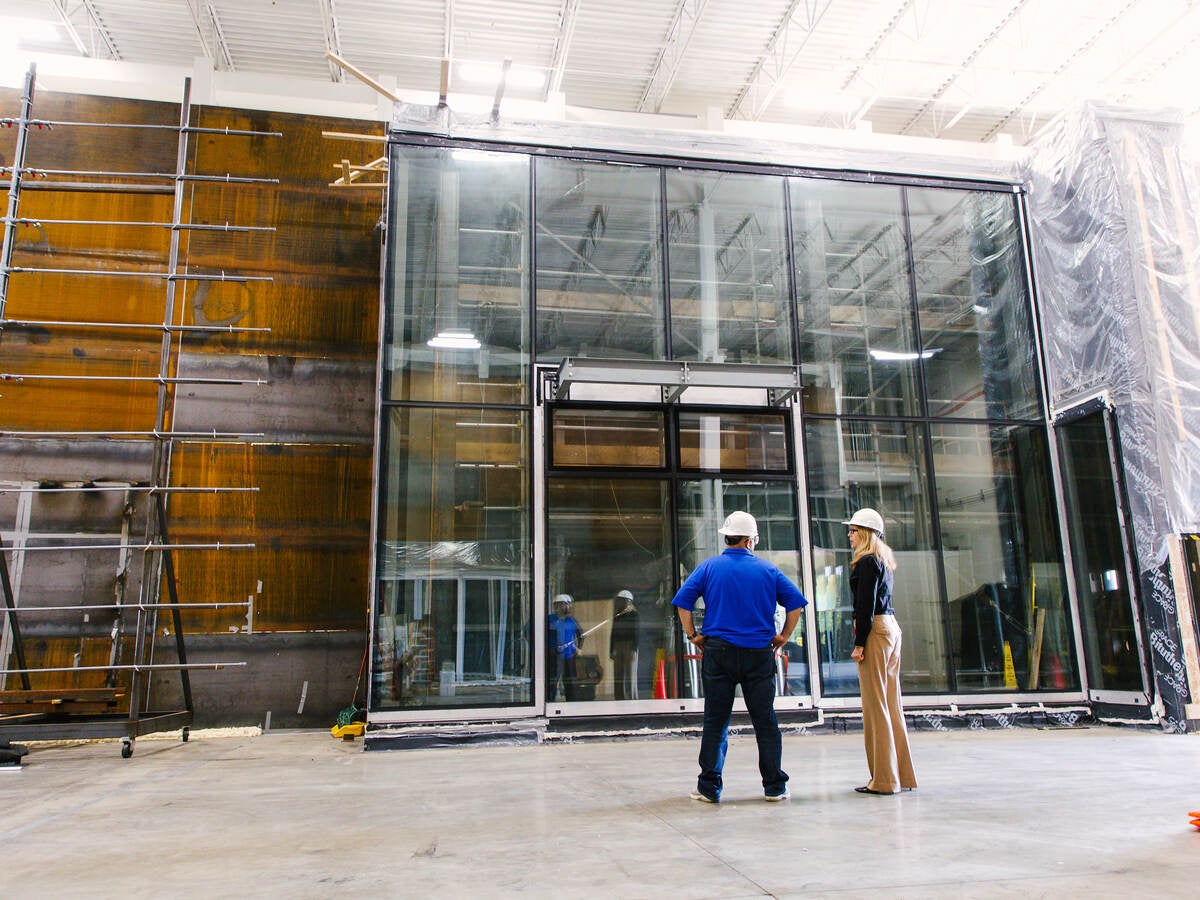
Building Envelope
We understand the science behind the building envelope. Our testing services help ensure that the performance of building envelope products, systems and structures meet regulatory demands and protect brand value. Our offerings include building envelope testing, fire testing, building forensic services and building system commissioning services.
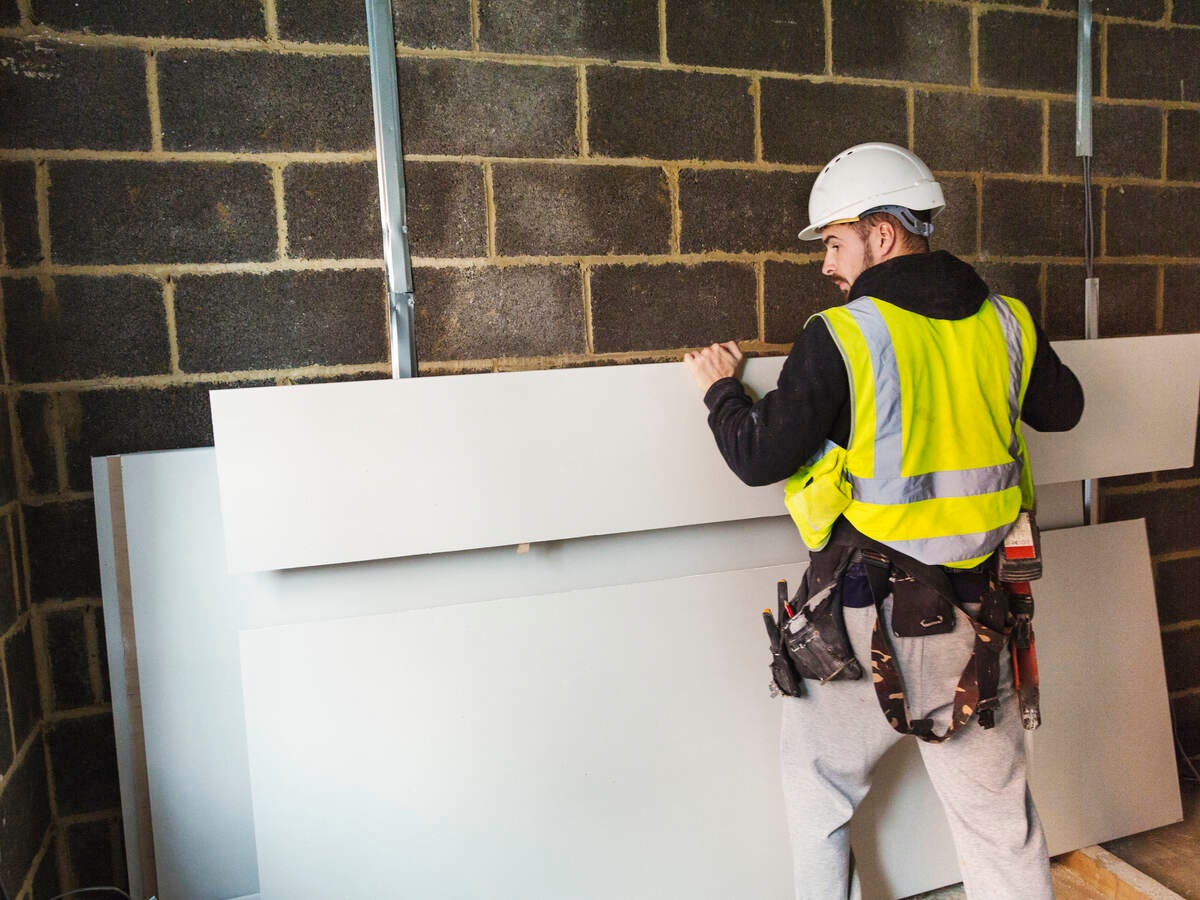
Building Products and Systems
You can rely on UL Solutions’ safety science leadership to help solve your safety, quality assurance and compliance challenges. Our comprehensive inspection, validation and certification services for the building and construction products industry help you bring products and systems to market quickly and cost-effectively.