Services
- Certification
- Testing
- Additional Services
-
Service Portfolios
- Brand Risk Management
- Chemical Data Management
- Corporate Social Responsibility
- Cybersecurity
- Environmental Health and Safety
- Fire Safety
- Functional Safety
- Global Market Access
- Hazardous Locations
- Safe, Smart and Sustainable Buildings
- Supply Chain and Product Stewardship
- Sustainability and Environment
Insights
View all
![Aerial photo of downtown Chicago]()
Navigate your business in an increasingly complex world with industry-leading research and actionable insights from UL Solutions.

Next
Previous
News
View all
![man using and tablet while presenting in front of a room]()
Explore our press releases and news updates. Delve into detailed press kits for information on our work. If it’s UL Solutions and newsworthy, it’s here.

Next
Previous
Events
View all
![Photo of a crowd attending a presentation in a large view.]()
Connect with us in person or online, around the globe. We’re everywhere your business needs us to be.

Next
Previous
About Us
Overview
As a global safety science leader, UL Solutions helps companies to demonstrate safety, enhance sustainability, strengthen security, deliver quality, manage risk and achieve regulatory compliance.
UL Solutions Consumer Information
See how we put safety science to work to help create a safer, more secure and sustainable world for you.
Resources
Overview
Explore our business intelligence-building digital tools and databases, search for help, review our business information, or share your concerns and questions.
UL Solutions Market Access Portal
Accelerate your planning process and learn the requirements needed to take your products to market worldwide.
myUL® Client Portal
A secure, online source for increased visibility into your UL Solutions project files, product information, documents, samples and services.
Certification Database — UL Product iQ®
Access UL certification data on products, components and systems, identify alternatives and view guide information with Product iQ.
Industries
- Software and Products
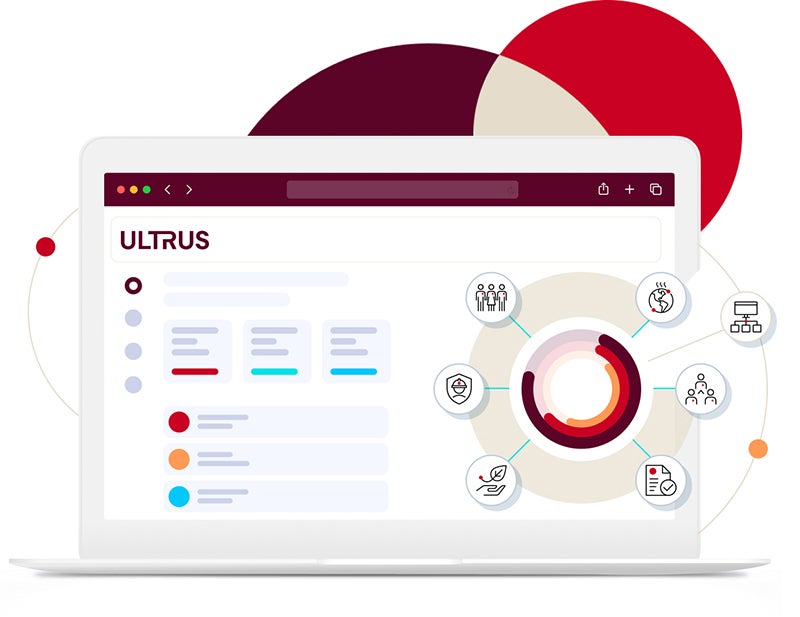
Introducing ULTRUS™
ULTRUS™ helps companies work smarter and win more with powerful software to manage regulatory, supply chain and sustainability challenges.
Featured Products
-
Computer and Hardware Performance Benchmarking
Consistent performance benchmarking testing capabilities for professional PC users. -
ESG Management
Award-winning software and advisory services for ESG management and reporting. -
Supply Chain Transparency
Secure digital platforms enabling product and material data collection to increase supply chain transparency and informed business decisions.

News
Read the latest news about our efforts to help make the world safer, more secure and more sustainable.
Contact our media team










You are leaving the UL Solutions website for an external site. UL Solutions structures this activity to be distinct and separate from its conformity assessment bodies.