2450 results
About Us
Overview
As a global safety science leader, UL Solutions helps companies to demonstrate safety, enhance sustainability, strengthen security, deliver quality, manage risk and achieve regulatory compliance.
UL Solutions Consumer Information
See how we put safety science to work to help create a safer, more secure and sustainable world for you.
Resources
Overview
Explore our business intelligence-building digital tools and databases, search for help, review our business information, or share your concerns and questions.
myUL® Client Portal
A secure, online source for increased visibility into your UL Solutions project files, product information, documents, samples and services.
Certification Database — Product iQ®
Access UL certification data on products, components and systems, identify alternatives and view guide information with Product iQ.
Industries
- Automotive and Mobility
- Building Technologies and Construction
- Chemicals and Materials
- Data Centers
- Energy and Utilities
- Financial and Investment Services
- Government Services
- Health and Life Sciences
- Industrial Products and Systems
- Life Safety and Security
- Retail Ecosystem
- Technology and Electronics
- Products and Components
- Software and Products
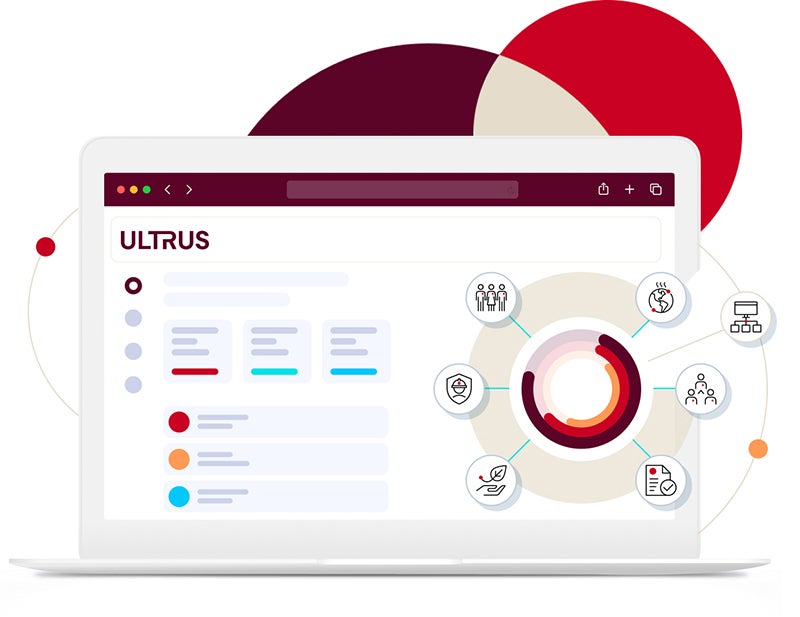
Introducing ULTRUS™
ULTRUS™ helps companies work smarter and win more with powerful software to manage regulatory, supply chain and sustainability challenges.
Featured Products

News
Read the latest news about our efforts to help make the world safer, more secure and more sustainable.
Contact our media team








You are leaving the UL Solutions website for an external site. UL Solutions structures this activity to be distinct and separate from its conformity assessment bodies.